Quick Recipe Version (TL;DR)
Quick Ingredients
- 2 cups (280 g) all-purpose flour
- 2 large eggs, room temperature
- 1/4 cup (60 ml) water
- 1/2 tsp fine sea salt
- 3 cups (720 ml) low-sodium chicken or vegetable broth
- 1 cup (240 ml) water
- 4 Tbsp (56 g) unsalted butter, divided
- 1/4 tsp freshly ground black pepper
- Optional: 1 small garlic clove, 2 Tbsp chopped parsley, pinch dried mint or Aleppo pepper
Do This
- 1. Mix flour, salt, eggs, and water into a firm dough; knead 8–10 minutes until smooth and elastic.
- 2. Rest dough 15 minutes, then roll very thin and cut into short, narrow noodle strips; dry 1–2 hours if possible.
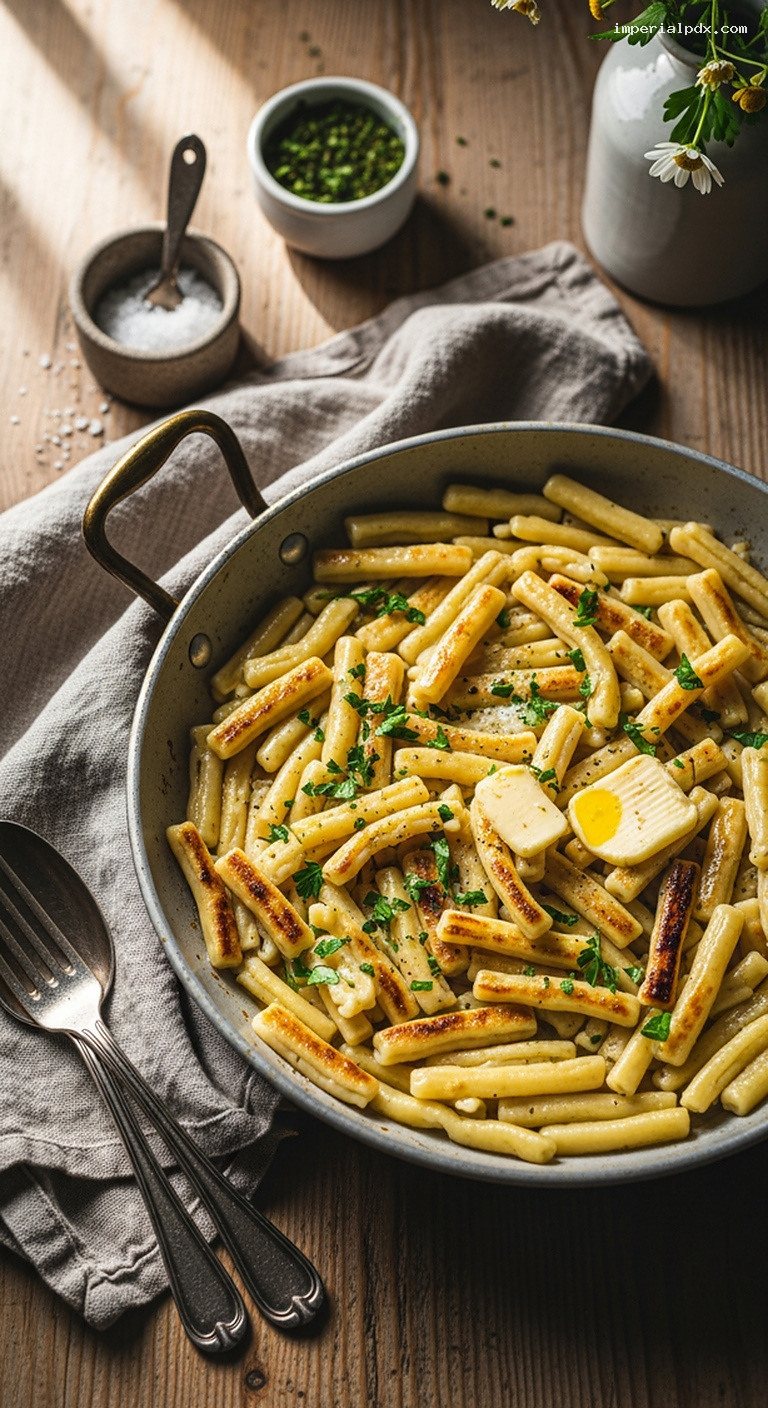
- 3. Heat 2 Tbsp butter in a wide, heavy pan over medium heat; add noodles and pan-toast 4–6 minutes until golden in spots.
- 4. Add hot broth and water, season with salt, and bring to a boil; reduce to a gentle simmer, cover, and cook 8–10 minutes until tender.
- 5. Meanwhile, melt remaining 2 Tbsp butter in a small pan until foamy and lightly nutty; remove from heat and stir in garlic if using.
- 6. When noodles have absorbed most of the liquid, fluff with a fork; adjust salt and pepper.
- 7. Drizzle with hot butter, sprinkle with parsley and dried mint or Aleppo pepper, and serve immediately.
Why You’ll Love This Recipe
- Classic village comfort food: buttery, brothy, and deeply satisfying with very simple ingredients.
- Pan-toasting the noodles adds a nutty aroma and beautiful golden color you do not get from plain boiling.
- Flexible: make the noodles from scratch or use store-bought erişte or egg noodles when you are short on time.
- Perfect side dish for grilled meats, roasted chicken, or simple vegetable plates.
Grocery List
- Produce: 1 small garlic clove (optional), fresh flat-leaf parsley (optional)
- Dairy: Unsalted butter, 2 large eggs
- Pantry: All-purpose flour, low-sodium chicken or vegetable broth, fine sea salt, black pepper, dried mint or Aleppo pepper (optional)
Full Ingredients
For the Handmade Village Noodles (Erişte)
- 2 cups (280 g) all-purpose flour, plus extra for dusting
- 2 large eggs (about 100 g), room temperature
- 1/4 cup (60 ml) room-temperature water, plus 1–2 Tbsp more if needed
- 1/2 tsp fine sea salt
If Using Store-Bought Noodles Instead
- 8.8 oz (250 g) dried Turkish erişte or wide egg noodles (omit the ingredients for the handmade noodles above)
For Cooking the Noodles
- 2 Tbsp (28 g) unsalted butter
- 3 cups (720 ml) low-sodium chicken or vegetable broth
- 1 cup (240 ml) water
- 1/2 tsp fine sea salt, or to taste (amount depends on your broth)
- 1/4 tsp freshly ground black pepper
For the Butter Finish
- 2 Tbsp (28 g) unsalted butter
- 1 small garlic clove, very finely grated or minced (optional but recommended for extra flavor)
- 2 Tbsp finely chopped flat-leaf parsley, for serving (optional)
- Pinch dried mint or Aleppo pepper flakes, for serving (optional)
Step-by-Step Instructions
Step 1: Make the noodle dough
In a mixing bowl, combine the flour and salt. Make a well in the center and add the eggs and 1/4 cup (60 ml) water. Using a fork or your fingers, gradually pull flour from the sides into the eggs and water until a shaggy dough forms. Tip the dough onto a clean work surface and knead firmly for 8–10 minutes. The dough should be smooth, elastic, and quite firm (firmer than pasta dough). If it is too dry to come together, sprinkle in 1 teaspoon of water at a time; if too sticky, dust with a little flour and continue kneading.
Shape the dough into a ball, cover tightly with plastic wrap or an inverted bowl, and let it rest at room temperature for 15–20 minutes. This relaxes the gluten and makes rolling much easier.
Step 2: Roll the dough very thin
Lightly flour your work surface and a rolling pin. Divide the rested dough into 2 equal pieces. Keep one piece covered so it does not dry out. Roll the first piece into a thin sheet, rotating and dusting with flour as needed so it does not stick. Aim for about 1–2 mm thickness, similar to a thin fresh pasta sheet; this may take several minutes of steady rolling. The thinner you roll, the more delicate the noodles will be.
Transfer the rolled sheet to a floured tablecloth or large cutting board and repeat with the second piece of dough. Allow the sheets to air-dry for about 10–15 minutes, just until the surface feels slightly drier but still pliable. This makes cutting easier and helps the noodles keep their shape.
Step 3: Cut into village-style noodles and dry
To cut classic village-style erişte, lightly flour the top of a dough sheet. Roll it up loosely from the long side into a cylinder, or fold it into several layers like a letter. Using a sharp knife, cut crosswise into narrow strips about 3–5 mm wide. Gently unroll the strips into noodles and toss with a little flour to prevent sticking. Cut the second sheet the same way.
Spread the noodles out in a single layer on a clean cloth, tray, or large baking sheet. Let them dry at room temperature for 1–2 hours, or up to several hours if you have time. They do not need to be completely dry for this recipe, but a bit of surface drying improves texture and prevents clumping. If using store-bought erişte or egg noodles, simply measure out 8.8 oz (250 g) and skip to the next step.
Step 4: Pan-toast the noodles in butter
When you are ready to cook, warm the broth and the 1 cup (240 ml) water together in a small pot until hot but not boiling; keep it over low heat. In a wide, heavy-bottomed pan or shallow pot with a lid (a 10–12 inch pan works well), melt 2 Tbsp (28 g) butter over medium heat.
Add the fresh or dried noodles to the pan. Stir constantly to coat them evenly in the butter. Continue to cook, stirring frequently, for 4–6 minutes, until many of the noodles are a deep golden color and smell nutty and toasty. Watch carefully: you want an even golden brown, not burnt spots. This toasting step gives tereyağlı erişte its characteristic flavor and color.
Step 5: Simmer the noodles in broth
Once the noodles are nicely toasted, carefully pour in the hot broth-and-water mixture. It will sizzle, so stand back as you pour. Add 1/2 tsp salt (or less if your broth is already salty) and the black pepper. Stir well, scraping up any bits from the bottom of the pan.
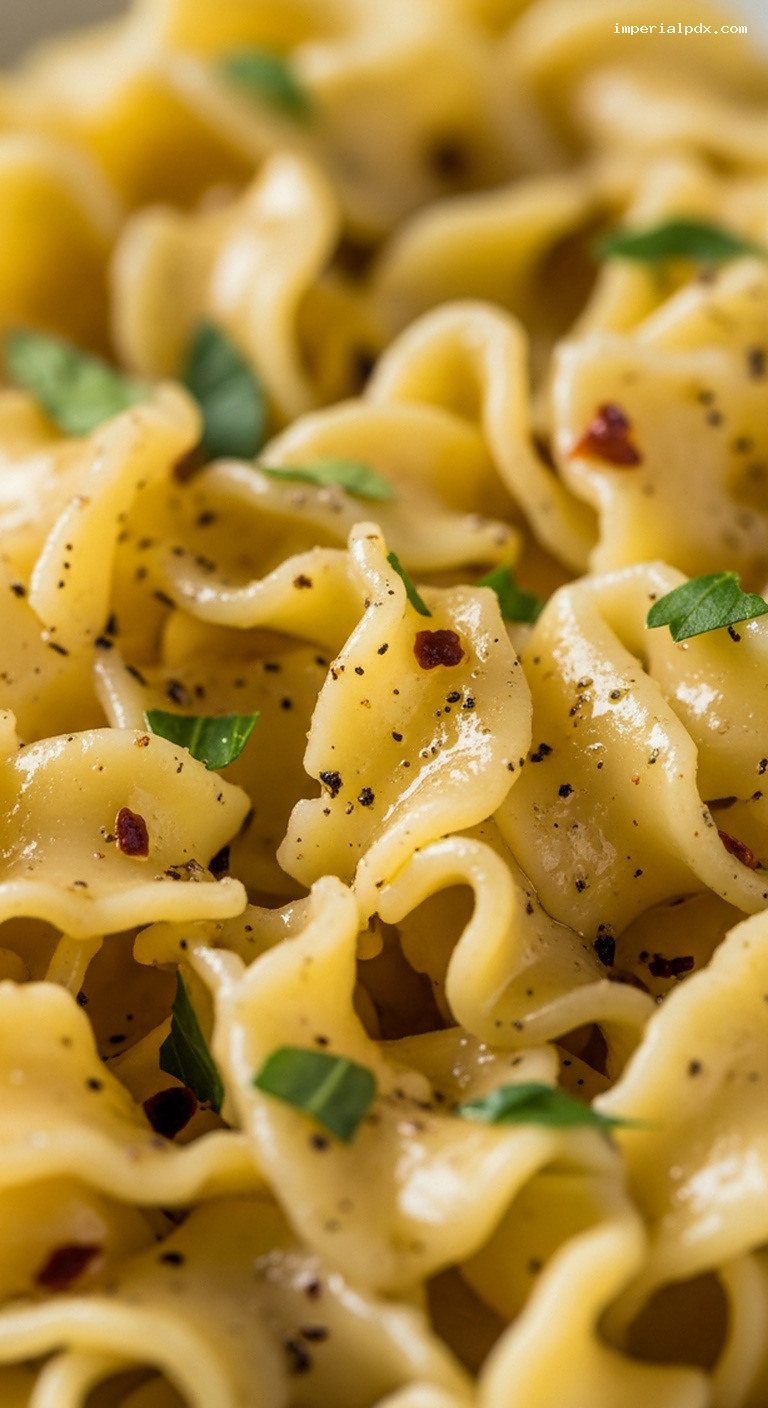
Bring the liquid to a gentle boil over medium-high heat, then immediately reduce to a low simmer. Cover the pan with a lid, leaving it slightly ajar. Cook for 8–10 minutes, stirring once or twice, until the noodles are tender and most of the liquid is absorbed. You are aiming for a texture similar to a very loose pilaf: moist and glossy, not soupy, with just a little broth clinging to the noodles. If the liquid evaporates too quickly, splash in a bit more hot water; if it is too wet when the noodles are done, remove the lid and simmer briefly to reduce.
Step 6: Make the fragrant butter topping
While the noodles simmer, prepare the finishing butter. In a small saucepan or skillet, melt the remaining 2 Tbsp (28 g) butter over medium-low heat. Let it cook gently until it turns foamy and you start to see just a hint of golden color and smell a nutty aroma, 2–3 minutes. Do not let it burn.
If using garlic, remove the pan from the heat and immediately stir in the finely minced or grated garlic. The residual heat will soften and gently cook the garlic without making it bitter. Set aside; keep warm.
Step 7: Fluff, garnish, and serve
When the noodles are tender and glossy with broth, remove the pan from the heat. Taste and adjust seasoning with more salt or pepper as needed. Use a fork to gently fluff and separate the noodles, much like you would with rice pilaf, so they are not compacted.
Drizzle the hot garlic butter evenly over the noodles. Sprinkle with chopped parsley and a pinch of dried mint or Aleppo pepper, if using. Serve immediately, straight from the pan or transferred to a warm serving dish. Tereyağlı erişte is best enjoyed hot, while the noodles are silky and the butter is still fragrant.
Pro Tips
- Dough texture matters: Aim for a firm, not soft, dough. A firmer dough rolls more thinly and gives noodles that keep their bite after simmering in broth.
- Roll thinner than you think: The noodles swell as they cook, so roll the sheets as thin as you comfortably can (about 1–2 mm).
- Do not rush the toasting: Medium heat and frequent stirring give you even golden noodles and a deep nutty flavor. If they brown too fast, lower the heat.
- Adjust liquid to your noodles: Fresh noodles may absorb slightly less broth than fully dried ones; add an extra splash of hot water if using very dry store-bought erişte.
- Serve immediately: Like most buttered noodle dishes, this is at its best right after cooking, while the butter is still glossy and aromatic.
Variations
- Cheesy tereyağlı erişte: After the noodles are cooked and fluffed, stir in 1/2–3/4 cup (50–75 g) finely grated kaşar cheese, mild white cheddar, or Parmesan. Cover for 1–2 minutes off the heat to let it melt, then serve.
- Garlic-yogurt topping: Serve each portion with a spoonful of thick plain yogurt mixed with a pinch of salt and a little grated garlic. The cool, tangy yogurt contrasts beautifully with the rich buttered noodles.
- Chicken village noodles: Cook the noodles in chicken broth and, in the last few minutes of simmering, stir in 1–1 1/2 cups (about 150–200 g) shredded cooked chicken for a simple, one-pan meal.
Storage & Make-Ahead
Leftover cooked tereyağlı erişte can be cooled completely and stored in an airtight container in the refrigerator for up to 3 days. Reheat gently in a covered pan over low heat with a splash of water or broth, stirring occasionally until hot and loosened. You can refresh it with a little extra melted butter before serving if you like.
For make-ahead prep, the noodles themselves can be fully dried: spread the cut strips in a single layer and let them dry at room temperature for 24–48 hours, turning once or twice, until completely hard. Store the dried noodles in an airtight jar or container in a cool, dry place for up to 2–3 months. When ready to cook, follow the pan-toasting and simmering steps as written, adding a bit more hot liquid if needed.
Nutrition (per serving)
Approximate values for 1 of 4 servings (using all butter, homemade noodles, and chicken broth): about 400 calories; 15 g fat; 55 g carbohydrates; 10 g protein; 2 g fiber; 580 mg sodium (will vary depending on broth and added salt). These numbers are estimates and should be used as a general guide only.