Quick Recipe Version (TL;DR)
Quick Ingredients
- 120 g short- or medium-grain white rice (about 2/3 cup)
- 1.5 liters whole milk (about 6 1/4 cups)
- 150 g granulated sugar (about 3/4 cup)
- 2 tsp ground cinnamon
- 1/4 tsp fine sea salt
- 1 tbsp unsalted butter, for greasing dish
- Optional to serve: extra cinnamon, crème fraîche or whipped cream
Do This
- 1. Preheat oven to 150°C / 300°F. Generously butter a deep 1.5–2 liter (1.5–2 quart) baking dish or traditional earthenware terrine.
- 2. Briefly rinse rice under cold water and drain well (optional but helps remove excess starch on the surface).
- 3. In a large saucepan, gently warm milk, sugar, cinnamon, and salt until hot and steaming but not boiling, stirring to dissolve sugar.
- 4. Spread rice evenly over the bottom of the dish. Pour hot spiced milk over rice; do not stir again.
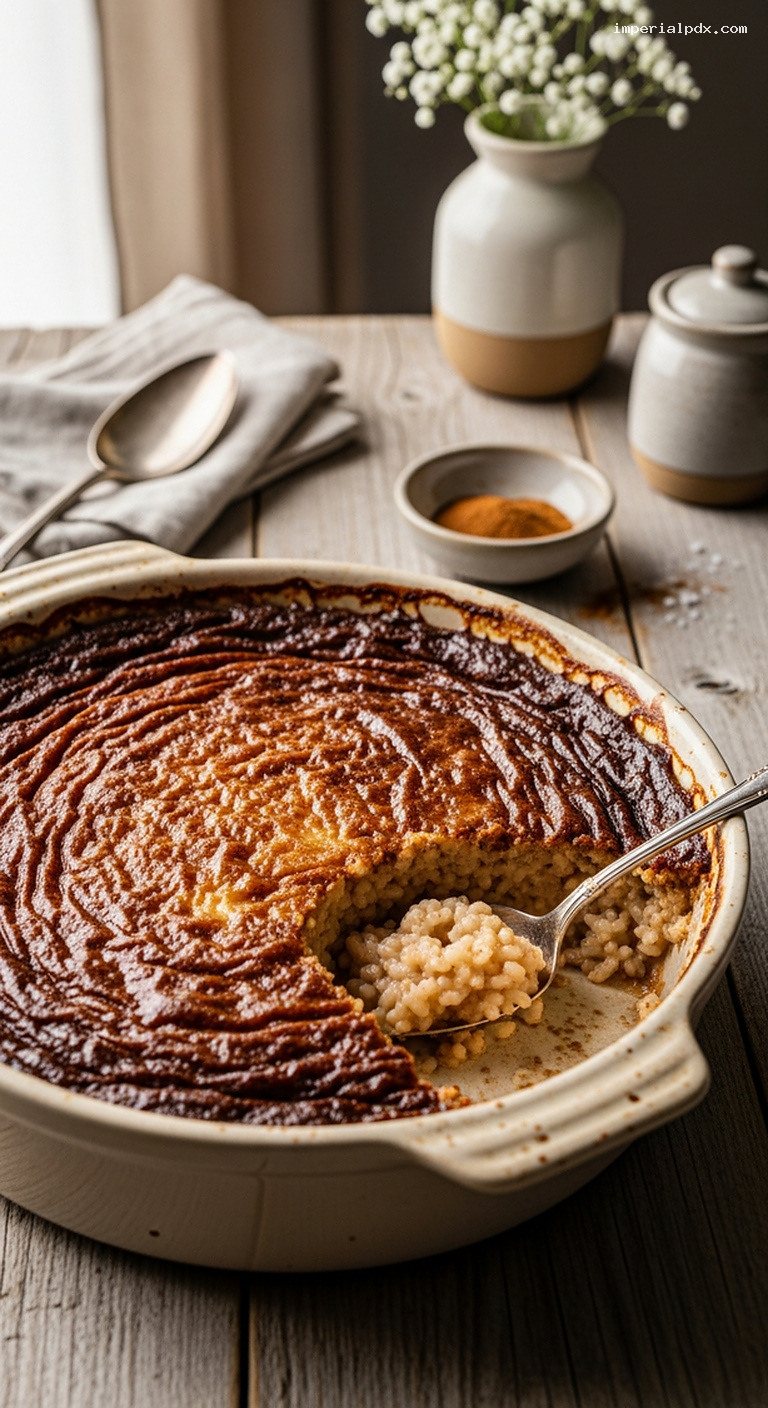
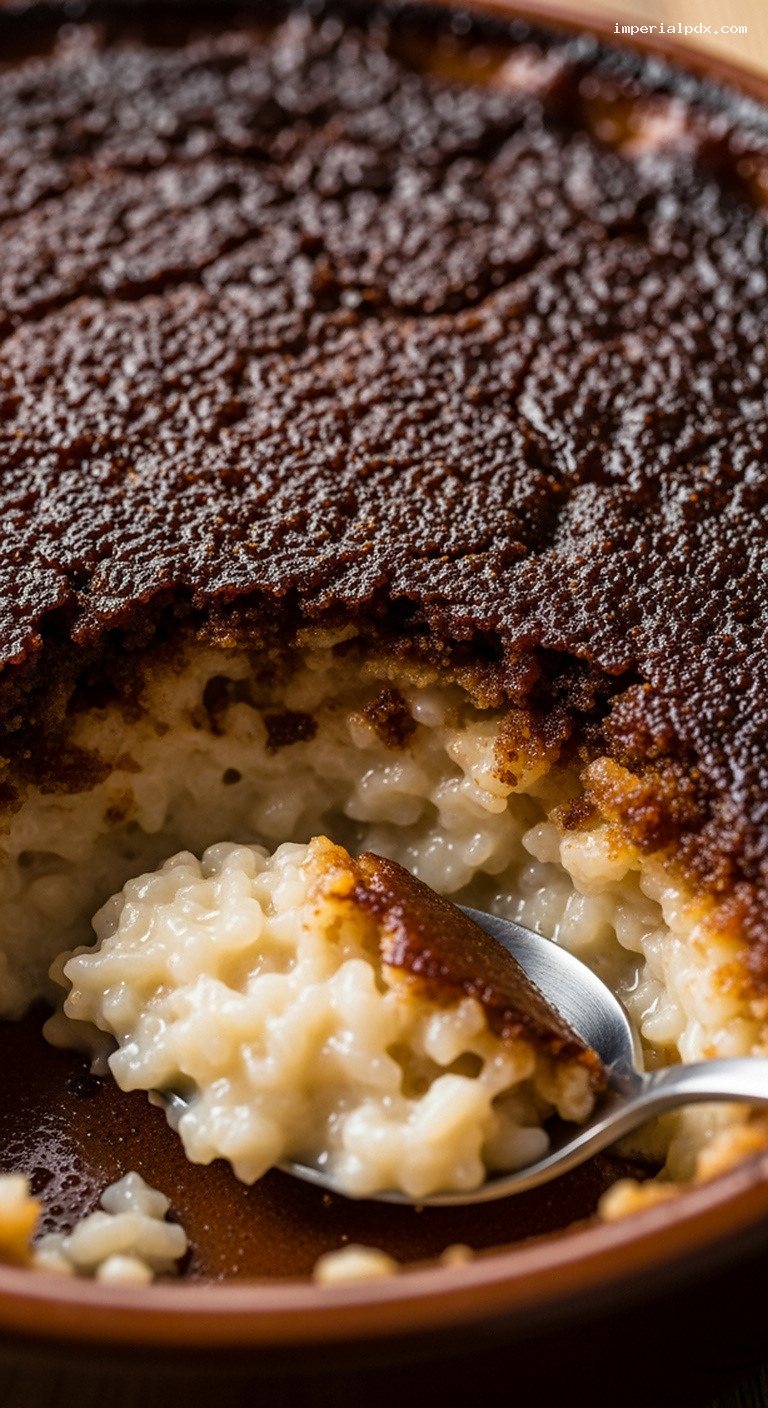
- 5. Bake uncovered for about 4 hours, placing the dish on a tray in case of bubbling over. Do not stir; a deep brown, wrinkled crust should form on top.
- 6. The teurgoule is ready when the top is caramelized and the rice underneath is very tender and creamy but not soupy.
- 7. Let rest at least 20–30 minutes before serving warm or at room temperature, with a little extra cinnamon or cream if you like.
Why You’ll Love This Recipe
- Authentic taste of Normandy: gently spiced, slow-baked rice pudding with a gorgeous caramelized crust.
- Almost no hands-on work: mix, pour, and let the oven do the rest for several hours.
- Incredibly comforting: silky, creamy interior with warm cinnamon and milk sweetness.
- Perfect make-ahead dessert: delicious warm, at room temperature, or chilled the next day.
Grocery List
- Produce: Optional: 1 lemon (for zest, if you want a subtle citrus note)
- Dairy: Whole milk, unsalted butter, optional crème fraîche or heavy cream (for serving)
- Pantry: Short- or medium-grain white rice, granulated sugar, ground cinnamon, fine sea salt, optional vanilla extract
Full Ingredients
For the Teurgoule Normande
- 120 g short- or medium-grain white rice (about 2/3 cup; look for pudding rice, arborio, or another starchy rice)
- 1.5 liters whole milk (about 6 1/4 cups)
- 150 g granulated sugar (about 3/4 cup, lightly packed)
- 2 tsp ground cinnamon (freshly opened for best aroma)
- 1/4 tsp fine sea salt
- 1 tbsp unsalted butter, softened (for greasing the dish)
- Optional but nice: 1 tsp pure vanilla extract or seeds from 1/2 vanilla bean
To Serve (Optional)
- Light dusting of ground cinnamon
- Crème fraîche, lightly sweetened whipped cream, or a spoonful of thick yogurt
- Very thin strips of lemon zest, if you like a delicate citrus aroma
Step-by-Step Instructions
Step 1: Preheat the oven and prepare your baking dish
Set your oven to 150°C / 300°F with a rack in the middle or just below the middle. Teurgoule bakes low and slow, so preheating properly helps it start cooking gently right away.
Choose a deep, oven-safe dish that holds about 1.5–2 liters (1.5–2 quarts). A ceramic or earthenware dish is most traditional, but a deep glass or metal baking dish works as well. The pudding mixture will come quite high up the sides, so choose something taller rather than wider to prevent spilling.
Generously butter the inside of the dish with the softened unsalted butter, making sure to coat the bottom and up the sides. This not only helps with cleanup but also adds a subtle richness and helps the crust release from the edges.
Step 2: Rinse and prepare the rice
Measure out the 120 g (about 2/3 cup) of rice. For teurgoule, you want a starchy, short- or medium-grain rice such as pudding rice, arborio, or another rice used for risotto or rice pudding. Long-grain rice will not give the same creamy texture.
Rinse the rice quickly under cold running water in a fine-mesh sieve for just 10–15 seconds, then drain very well. This light rinse removes any dusty surface starch without stripping too much of the starch needed to thicken the pudding. You can skip this step if you prefer an extra-thick texture, but avoid over-rinsing.
Set the drained rice aside; it will go into the dish dry, without pre-cooking.
Step 3: Warm the milk with sugar and cinnamon
In a large saucepan or pot, combine:
- 1.5 liters (about 6 1/4 cups) whole milk
- 150 g (about 3/4 cup) granulated sugar
- 2 tsp ground cinnamon
- 1/4 tsp fine sea salt
- Optional: 1 tsp vanilla extract or the seeds from 1/2 vanilla bean
Place over medium-low heat and warm gently, stirring often, until the sugar has dissolved and the milk is hot and steaming but not boiling. This usually takes about 5–7 minutes. Warming the milk first gives the pudding a head start and helps the flavors blend.
Taste the milk and adjust the cinnamon if you like it stronger. Remember that flavors soften slightly during long baking, so it is better for the milk to taste a little more spiced than you think you want at this stage.
Step 4: Assemble the pudding in the dish
Give the rice a final shake in the sieve to remove any excess water, then scatter it evenly over the bottom of your buttered baking dish. Do not pack it down; just aim for an even layer so the grains cook uniformly.
Carefully pour the hot spiced milk over the rice. Pour slowly to avoid disturbing the rice too much. Once the milk is in, you can gently nudge any visible rice grains down with the back of a spoon, but do not stir. Stirring during baking will prevent the traditional crust from forming and can break the silky texture.
Place the dish on a rimmed baking sheet to catch any drips in case the milk bubbles up during its long time in the oven.
Step 5: Start the slow bake and let it set
Transfer the baking sheet with the dish to the oven. Bake the teurgoule uncovered at 150°C / 300°F.
During the first hour, the milk will begin to steam and tiny bubbles will form around the edges. The rice will slowly start to swell and float. Resist the urge to open the oven too often; brief peeks are fine, but you want a gentle, steady heat.
Do not stir at any point. As the pudding bakes, a delicate skin will form on top. This will gradually deepen in color and transform into the classic, wrinkled, caramelized crust that makes teurgoule so special.
Step 6: Continue baking until deeply caramelized and creamy
Continue baking for a total of about 3 1/2 to 4 hours. Every oven is a bit different, so start checking around the 3-hour mark and then every 20–30 minutes.
You are looking for a deep golden-brown to mahogany-colored crust on top, with some darker, almost coffee-colored spots where the milk sugars have caramelized. The top will be wrinkled and may have a few small cracks; this is exactly what you want.
Gently shake the dish: the center should still have a very slight wobble under the crust, but no visible liquid milk. If you insert a spoon just under the crust near the edge, the rice should be very tender and suspended in a thick, creamy custard-like milk, not dry or chalky.
If the top is getting very dark before the inside is creamy, loosely tent the dish with a piece of foil and continue baking until done.
Step 7: Rest, serve, and enjoy
Remove the teurgoule from the oven and place it on a heatproof surface. Allow it to rest at least 20–30 minutes. This rest lets the rice finish setting and the pudding thicken further as it cools slightly.
Teurgoule can be served warm, at room temperature, or chilled, depending on your preference. The texture is at its creamiest when just warm or at room temperature.
To serve, spoon into shallow bowls, making sure each portion gets some of the dark caramelized crust and some of the soft, cinnamon-scented interior. If you like, sprinkle lightly with extra cinnamon and add a spoonful of crème fraîche, whipped cream, or thick yogurt alongside. In Normandy, it is often enjoyed simply, on its own, as a comforting, rustic dessert.
Pro Tips
- Use the right rice: Short- or medium-grain rice (like arborio or pudding rice) is essential for the classic ultra-creamy texture. Avoid long-grain rice, which stays too separate and firm.
- Do not stir during baking: Stir only before the dish goes into the oven. Once it starts baking, leave it alone so the skin can form and deepen into that characteristic caramelized crust.
- Low and slow is key: If your oven runs hot, drop the temperature slightly (to 140°C / 285°F) and bake a bit longer rather than rushing the pudding.
- Choose a deep dish: A taller dish reduces the risk of boiling over and creates a deeper, creamy interior beneath the crust.
- Flavor gently: Cinnamon is the star; vanilla and lemon zest are optional background notes. Keep additions subtle so you do not overwhelm the traditional flavor.
Variations
- Vanilla and cinnamon teurgoule: Split a vanilla bean, scrape out the seeds, and simmer both seeds and pod with the milk. Remove the pod before baking. The vanilla rounds out the spice and adds an extra layer of aroma.
- Extra-rich cream version: Replace 250 ml (1 cup) of the milk with heavy cream. The pudding will be even silkier and more decadent, with a slightly denser custard beneath the crust.
- Subtle citrus twist: Add a few wide strips of lemon zest to the milk while warming, then remove them before pouring over the rice. This gives a gentle brightness that pairs well with the cinnamon.
Storage & Make-Ahead
Let the teurgoule cool completely, then cover the dish tightly with plastic wrap or transfer leftovers to an airtight container. Store in the refrigerator for up to 3–4 days.
It can be enjoyed cold straight from the fridge, or gently reheated. To reheat, cover the dish and warm in a 150°C / 300°F oven for about 15–20 minutes, just until heated through. Individual portions can be reheated in the microwave on low power so the custard warms without drying out. The crust will soften slightly after refrigeration but still tastes wonderful.
Teurgoule is an excellent make-ahead dessert: bake it earlier in the day, let it cool, then serve it at room temperature in the evening. The flavors deepen and meld as it sits.
Nutrition (per serving)
Approximate values for one of 6 servings (without toppings): about 330–350 calories, 10 g fat, 53 g carbohydrates, 9 g protein, and a small amount of fiber and sodium. Values will vary based on the exact milk and rice used, and any toppings you add.