Quick Recipe Version (TL;DR)
Quick Ingredients
- 1 lb (450 g) mild whitefish fillets (cod, haddock, pollock, halibut), skinless/boneless
- 1 1/2 cups (360 ml) water + 1/2 cup (120 ml) dry white wine or extra water
- 1 small shallot, divided (half sliced, half finely minced)
- 3 lemon slices + zest of 1 lemon + 2–3 tbsp lemon juice
- 1 bay leaf, 6 peppercorns, kosher salt, white or black pepper
- 1/2 cup (120 ml) cold heavy cream
- 1/4 cup (60 g) crème fraîche or full-fat sour cream
- 2 tbsp (30 g) mayonnaise
- 2 tsp Dijon mustard
- 2 tbsp chopped fresh chives, 1 tbsp chopped fresh dill
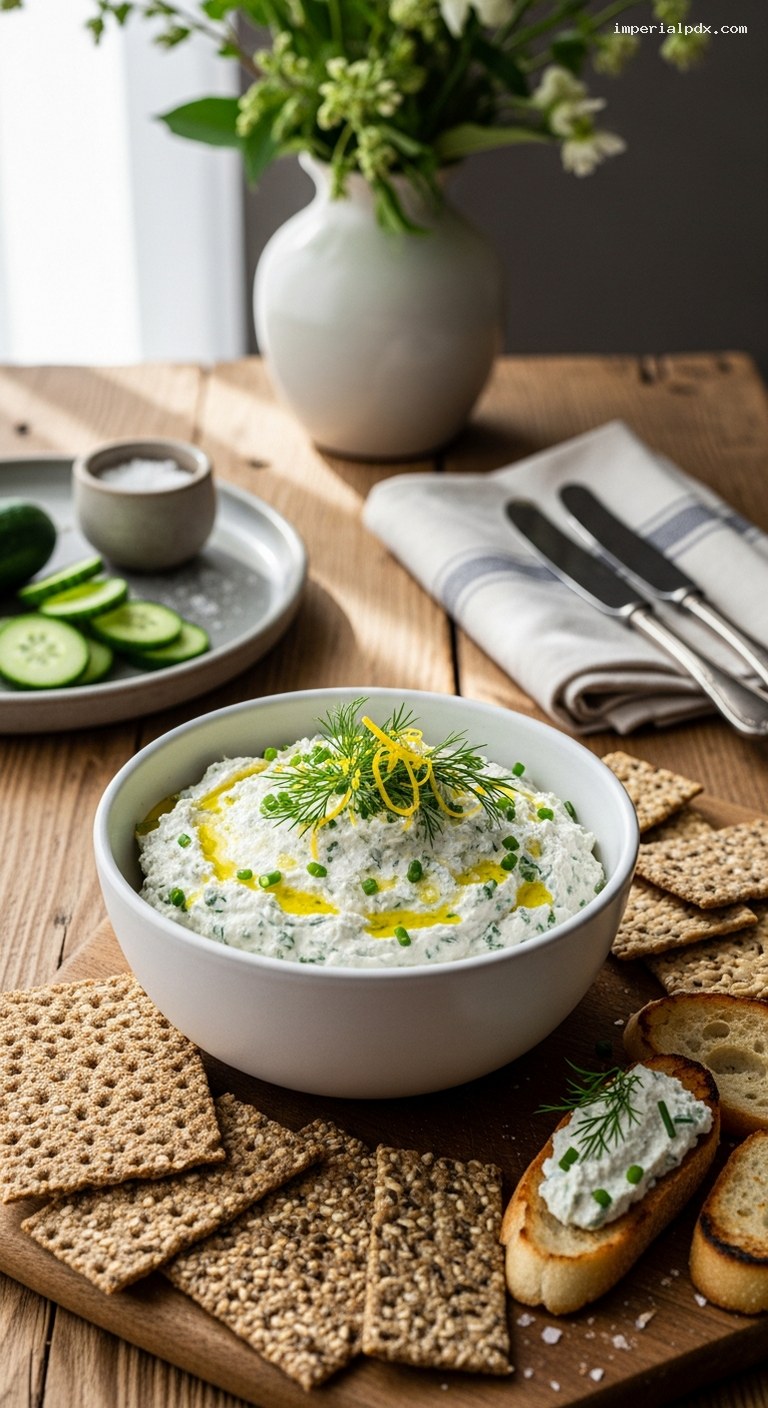
- To serve: crispbreads, crackers, crostini, lemon zest, extra herbs, flaky salt
Do This
- 1. Gently poach whitefish in water, wine, lemon slices, sliced shallot, bay leaf, peppercorns, and salt for 8–10 minutes until opaque and just cooked.
- 2. Lift fish from liquid, let cool completely, then flake with a fork and discard any bones or skin.
- 3. Whip cold heavy cream to soft peaks; keep chilled.
- 4. In a food processor, blend flaked fish with crème fraîche, mayonnaise, Dijon, lemon zest and juice, minced shallot, herbs, salt, and pepper until mostly smooth.
- 5. Taste and adjust seasoning with more lemon, salt, or herbs as needed.
- 6. Gently fold whipped cream into the fish mixture until silky and airy, then chill at least 2 hours before serving.
Why You’ll Love This Recipe
- Elegant but easy: simple poaching and blending turn everyday whitefish into a restaurant-worthy spread.
- Perfect for entertaining: ideal on crispbreads, crackers, or as part of a charcuterie and cheese board.
- Light yet luxurious: whipped cream and lemon keep it airy and bright, not heavy.
- Make-ahead friendly: prepare it hours in advance so you can relax when guests arrive.
Grocery List
- Produce: 1 lemon, 1 small shallot, fresh chives, fresh dill
- Dairy: Heavy cream, crème fraîche or full-fat sour cream
- Pantry: Mild whitefish fillets, dry white wine (optional), bay leaf, whole peppercorns, Dijon mustard, mayonnaise, kosher salt, white or black pepper, crispbreads/crackers/crostini, flaky sea salt (optional)
Full Ingredients
For the Poached Whitefish
- 1 lb (450 g) mild whitefish fillets, skinless and boneless (cod, haddock, pollock, halibut, or hake)
- 1 1/2 cups (360 ml) water
- 1/2 cup (120 ml) dry white wine or extra water
- 1 small shallot, divided:
- Half sliced for poaching
- Half finely minced for the mousse
- 3 slices lemon (from 1 lemon)
- 1 bay leaf
- 6 whole black or white peppercorns
- 1 tsp kosher salt
For the Whitefish Mousse
- Poached whitefish from above, cooled and flaked
- 1/2 cup (120 ml) cold heavy cream
- 1/4 cup (60 g) crème fraîche or full-fat sour cream
- 2 tbsp (30 g) mayonnaise
- 2 tsp Dijon mustard
- Zest of 1 lemon (about 2 tsp), very finely grated
- 2–3 tbsp freshly squeezed lemon juice, to taste
- Reserved 1/2 small shallot, finely minced
- 2 tbsp finely chopped fresh chives
- 1 tbsp finely chopped fresh dill, plus extra for garnish
- 1/4 tsp kosher salt, plus more to taste
- 1/8 tsp freshly ground white pepper or black pepper, plus more to taste
To Serve
- Crispbreads, rye crackers, crostini, or thinly sliced baguette, toasted
- Cucumber rounds or endive leaves (for a lighter option)
- Extra chopped chives and dill
- Extra lemon zest or very thin lemon slices
- Flaky sea salt
- Drizzle of good extra virgin olive oil (optional)
Step-by-Step Instructions
Step 1: Set Up Your Equipment and Prep Ingredients
Line up your ingredients: pat the whitefish fillets dry with paper towels and check for any visible pin bones, removing them with clean fingers or tweezers. Slice half of the shallot into thick rings and finely mince the other half; set the minced portion aside for the mousse. Slice 3 rounds from your lemon for the poaching liquid, then zest the rest of the lemon and juice it.
Place a medium mixing bowl and the beaters of a hand mixer (or the whisk attachment for a stand mixer) in the refrigerator to chill; cold equipment will help your cream whip quickly and stay fluffy. Have a medium saucepan with a lid ready for poaching the fish, and a food processor (or high-powered blender) ready for later.
Step 2: Gently Poach the Whitefish
In the medium saucepan, combine the water, white wine (or extra water), sliced shallot, lemon slices, bay leaf, peppercorns, and 1 teaspoon kosher salt. Bring this mixture to a gentle simmer over medium heat. Once it reaches a bare simmer (small bubbles around the edges but not boiling), carefully slide in the whitefish fillets in a single layer. If the liquid does not quite cover the fish, add a little more water.
Reduce the heat to low so the liquid stays at a very gentle simmer. Cover and cook for 8–10 minutes, or until the fish is opaque and flakes easily with a fork. The internal temperature should reach about 140°F (60°C). Avoid boiling; a rolling boil can make the fish tough and dry.
Step 3: Cool and Flake the Fish
Using a slotted spoon, gently lift the poached fish out of the liquid onto a plate lined with paper towels. Discard the bay leaf, lemon slices, and aromatics. Let the fish cool to room temperature, about 10–15 minutes. Pat it lightly with paper towels to remove excess moisture; this helps keep the mousse thick and silky rather than watery.
Once cool, use your fingers or a fork to flake the fish into large chunks, removing any remaining bones or bits of skin you might find. Set the flaked fish aside. You can reserve a tablespoon or two of the poaching liquid in case you want to thin the mousse slightly later.
Step 4: Whip the Cream
Remove the chilled bowl and beaters from the refrigerator. Pour in the cold heavy cream. With a hand mixer or stand mixer on medium-high speed, whip the cream until it forms soft peaks. This means when you lift the beaters, the cream will hold a gentle peak that folds back over on itself, not stiff and grainy.
Do not overwhip; you want it smooth and pillowy so it folds easily into the fish mixture. Once the cream reaches soft peaks, place the bowl back in the refrigerator to keep it cold while you prepare the mousse base.
Step 5: Blend the Mousse Base
Add the cooled, flaked fish to the bowl of a food processor. Add the crème fraîche (or sour cream), mayonnaise, Dijon mustard, lemon zest, 2 tablespoons of lemon juice, minced shallot, chopped chives, chopped dill, 1/4 teaspoon kosher salt, and 1/8 teaspoon white or black pepper.
Pulse several times, then process in short bursts until the mixture is mostly smooth but still has a bit of delicate texture. Scrape down the sides of the bowl as needed. Taste and adjust: add more lemon juice for brightness, more salt if it tastes flat, or more herbs if you want a greener, fresher flavor. If the mixture seems very thick or pasty, you can blend in 1–2 teaspoons of the reserved poaching liquid to loosen it slightly.
Step 6: Fold in the Whipped Cream
Transfer the fish mixture to a medium mixing bowl (or if your food processor bowl is roomy, you can fold directly in it). Add one-third of the whipped cream and use a spatula to gently fold it in, lifting from the bottom and turning the bowl rather than stirring vigorously. This lightens the base so it is easier to incorporate the rest of the cream.
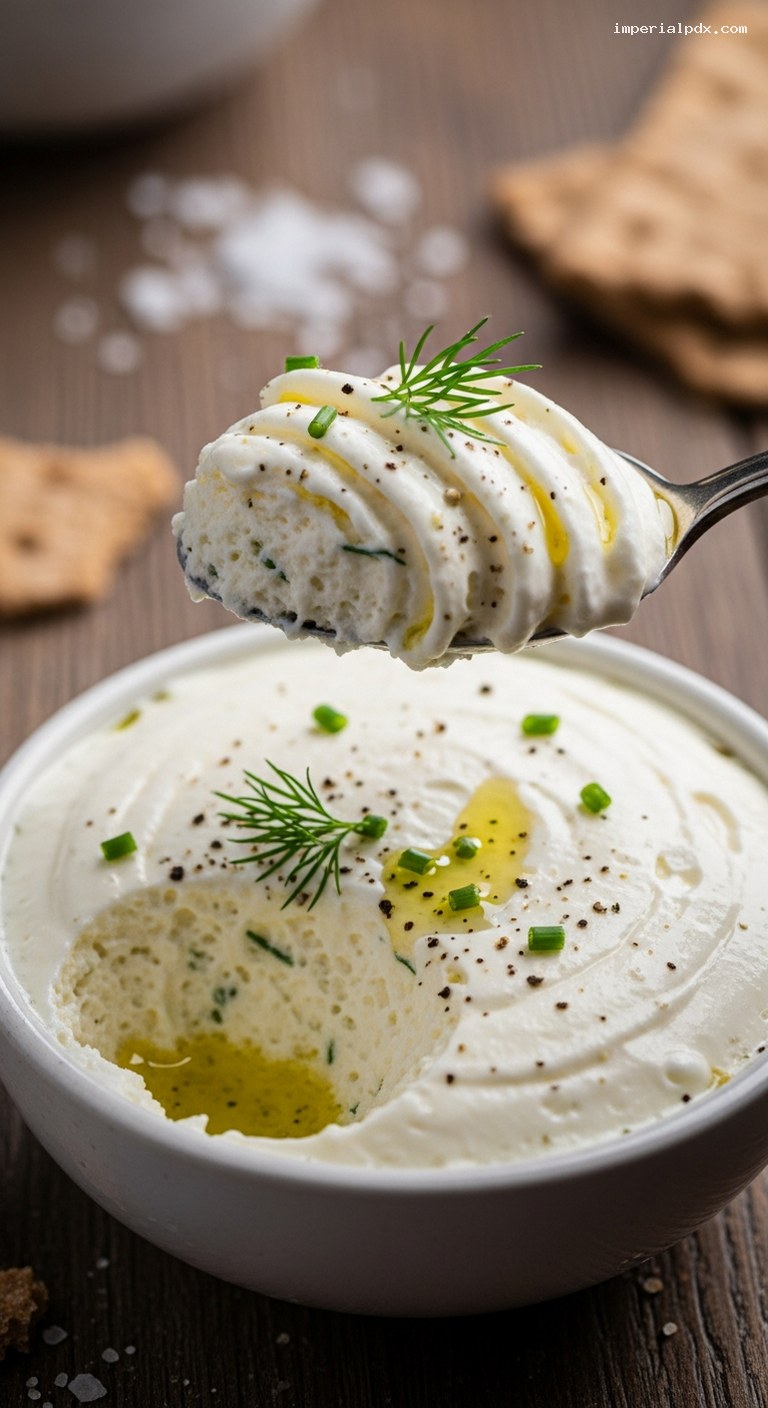
Add the remaining whipped cream in two more additions, folding gently after each until no streaks remain and the mousse is pale, fluffy, and silky. Take your time; the goal is to keep as much air in the mixture as possible. Taste once more and adjust seasoning if needed. The mousse should be pleasantly lemony, lightly salty, and aromatic with herbs.
Step 7: Chill, Garnish, and Serve
Spoon the mousse into a serving bowl, small ramekins, or a shallow ceramic dish. Smooth the top with the back of a spoon, then cover tightly with plastic wrap. Chill in the refrigerator for at least 2 hours, or up to 24 hours, to allow the flavors to meld and the texture to firm slightly.
When ready to serve, let the mousse sit at room temperature for 10–15 minutes so it becomes easily spreadable. Garnish with extra chopped chives and dill, a little extra lemon zest, a drizzle of good olive oil if desired, and a sprinkle of flaky sea salt. Serve chilled or cool alongside crispbreads, crackers, crostini, cucumber slices, and a charcuterie board of cheeses and cured meats.
Pro Tips
- Keep it gentle: Poach the fish at the barest simmer. Boiling will toughen the flesh and give your mousse a grainy texture.
- Cool completely before blending: Warm fish will melt the whipped cream and make the mousse heavy instead of airy.
- Season in layers: Taste after blending the base and again after folding in the cream. Lemon, salt, and herbs can be adjusted at the end.
- Control the texture: For ultra-smooth mousse, process longer; for a more rustic spread, leave a bit of flaked fish texture.
- Chill in small pots: Portion the mousse into individual ramekins for an elegant, ready-to-serve appetizer display.
Variations
- Smoked twist: Replace 2–3 oz (55–85 g) of the poached whitefish with smoked whitefish or hot-smoked trout for a gentle smoky depth.
- Nordic style: Add 1 tbsp finely chopped capers and 1 tbsp finely chopped cornichons, and serve with dark rye crispbreads.
- Herb garden mousse: Swap half the dill for tarragon or parsley, and garnish with microgreens for a brighter, greener flavor profile.
Storage & Make-Ahead
Store the whitefish mousse in an airtight container in the refrigerator for up to 3 days. Press a piece of plastic wrap directly onto the surface before sealing the container to minimize air exposure and prevent a skin from forming. For entertaining, it is ideal to make the mousse 4–24 hours ahead; this resting time allows the flavors to mellow and blend.
Stir gently before serving if it has been chilled for a long time. Do not freeze, as the dairy and whipped cream can separate and the texture will become grainy once thawed. Always keep the mousse chilled and discard any leftovers that have been at room temperature for more than 2 hours.
Nutrition (per serving)
Approximate values per serving (1/8 of the recipe, mousse only, without crackers): about 160 calories; 12 g protein; 13 g fat; 2 g carbohydrates; 0 g fiber; 260 mg sodium. These numbers are estimates and will vary based on the exact fish, dairy, and seasoning you use.