Quick Recipe Version (TL;DR)
Quick Ingredients
- 2 ¼ tsp (7 g) instant or active dry yeast
- 2 Tbsp (25 g) sugar + 1 cup (200 g) sugar for syrup
- ¾ cup (180 ml) warm milk, 100–110°F (38–43°C)
- 2 cups (260 g) all-purpose flour
- ½ tsp fine salt
- 3 large eggs, room temperature
- 6 Tbsp (85 g) unsalted butter, very soft
- 1 ½ cups (360 ml) water
- ½ cup (120 ml) dark or amber rum (plus optional extra for brushing)
- 1 strip each orange and lemon zest (or ½ tsp vanilla)
- 1 cup (240 ml) heavy cream, cold
- 2 Tbsp (15 g) powdered sugar
- 2–3 oranges or mixed citrus for segments (optional)
Do This
- 1. Grease a muffin tin or 10–12 small brioche/baba molds. Whisk yeast, warm milk, and 1 tsp sugar; let stand 5–10 minutes until foamy.
- 2. In a bowl, mix flour, remaining 2 Tbsp sugar, and salt. Beat in yeast mixture and eggs until smooth, then work in soft butter until glossy and elastic.
- 3. Cover and let rise in a warm place until doubled, 45–60 minutes. Deflate, spoon into molds halfway full, and let rise again until nearly to the top, 25–35 minutes.
- 4. Bake at 375°F (190°C) for 18–22 minutes until deep golden and springy. Cool 5 minutes, then unmold onto a rack.
- 5. Simmer water, 1 cup sugar, citrus zest, and vanilla (if using) for 3–4 minutes. Off heat, stir in rum and cool slightly.
- 6. Submerge warm babas in warm syrup, turning until very saturated, 3–5 minutes each. Place on a rack over a tray to drain briefly.
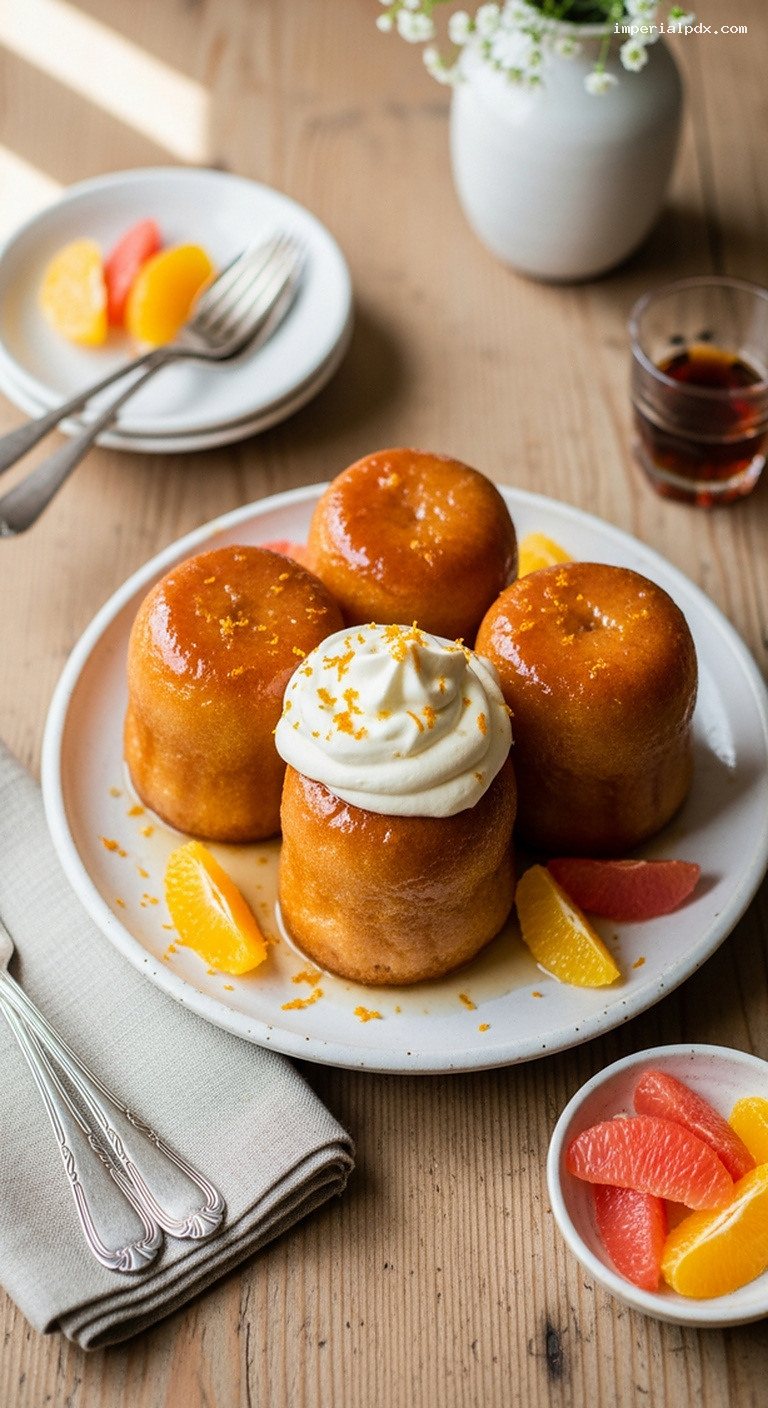
- 7. Whip cream with powdered sugar and vanilla until soft peaks. Serve babas chilled or at room temperature with Chantilly cream and fresh citrus segments.
Why You’ll Love This Recipe
- Classic French patisserie at home: tender, buttery yeast cakes soaked in fragrant rum syrup.
- Surprisingly achievable: a soft, enriched dough with simple techniques and no special equipment required.
- Perfect for entertaining: can be made ahead and actually taste better after the syrup has fully soaked in.
- Flexible finishing: pair with Chantilly cream for richness or bright citrus segments for a lighter, fresher twist.
Grocery List
- Produce: 1 orange, 1 lemon, 2–3 extra oranges or mixed citrus (grapefruit, blood orange) for serving
- Dairy: Unsalted butter, whole milk, large eggs, heavy cream
- Pantry: All-purpose flour, granulated sugar, powdered sugar, instant or active dry yeast, dark or amber rum, vanilla extract, fine salt
Full Ingredients
For the Baba Dough
- 2 ¼ tsp (7 g) instant or active dry yeast
- 2 Tbsp (25 g) granulated sugar
- ¾ cup (180 ml) whole milk, warmed to 100–110°F (38–43°C)
- 2 cups (260 g) all-purpose flour
- ½ tsp fine sea salt
- 3 large eggs, at room temperature
- 6 Tbsp (85 g) unsalted butter, very soft but not melted, plus extra for greasing molds
For the Rum Syrup
- 1 cup (200 g) granulated sugar
- 1 ½ cups (360 ml) water
- 1 strip orange zest (about 3 in / 8 cm long)
- 1 strip lemon zest (about 3 in / 8 cm long)
- ½ tsp vanilla extract (or ½ vanilla bean, split and scraped, optional)
- ½ cup (120 ml) dark or amber rum, plus 2–4 Tbsp (30–60 ml) extra if you like a stronger rum kick
For the Chantilly Cream
- 1 cup (240 ml) heavy cream, very cold
- 2 Tbsp (15 g) powdered sugar
- ½ tsp vanilla extract
For Serving (Optional but Recommended)
- 2–3 oranges, grapefruit, or a mix of citrus, peeled and segmented
- Extra orange or lemon zest, finely grated, for garnish
- Fresh mint leaves (optional)
Step-by-Step Instructions
Step 1: Prepare the molds and activate the yeast
Lightly grease a standard 12-cup muffin tin or 10–12 small baba/brioche molds with soft butter, making sure to coat the sides and bottoms well so the babas release easily after baking. Set aside.
In a small bowl or measuring jug, whisk together the warm milk, yeast, and 1 teaspoon of the sugar (taken from the 2 Tbsp for the dough). Let stand for 5–10 minutes until the surface looks foamy and slightly thickened. If the mixture does not foam, your yeast may be inactive; start again with fresh yeast.
Step 2: Make the enriched baba dough
In a large mixing bowl (or the bowl of a stand mixer), combine the flour, remaining sugar, and salt. Stir to distribute the salt evenly. Add the foamy yeast mixture and the eggs.
If using a stand mixer, fit it with the dough hook and mix on low speed until the ingredients come together, then increase to medium and knead for 4–5 minutes until the dough is smooth, shiny, and stretchy. It will be quite soft and sticky, more like a thick batter than a firm bread dough, which is exactly what you want.
With the mixer on low, add the very soft butter a spoonful at a time, waiting until each portion is incorporated before adding the next. Once all the butter is in, increase to medium and knead for another 4–5 minutes. The dough should look glossy and elastic and pull away from the sides of the bowl, though it will still be sticky to the touch.
If mixing by hand, use a sturdy spatula or wooden spoon to beat the dough vigorously, then work in the butter gradually and continue beating until smooth and elastic.
Step 3: First rise
Scrape the dough into a lightly greased bowl, smoothing the top with a spatula. Cover the bowl tightly with plastic wrap or a reuseable cover.
Let the dough rise in a warm, draft-free place (ideally 75–80°F / 24–27°C) until doubled in volume, about 45–60 minutes. The dough should look puffed and soft. If your kitchen is cool, this may take a little longer; you can place the bowl in a slightly warm (but turned-off) oven to help the dough along.
Step 4: Portion into molds and second rise
Once the dough has doubled, gently deflate it with a spatula to knock out some of the gas. The texture will be very airy and soft. Using a spoon or small scoop, divide the dough evenly among the prepared molds, filling each one about halfway. The dough will rise quite a bit in the oven, so do not overfill.
Smooth the tops lightly with a damp fingertip if they look uneven. Cover the molds loosely with lightly greased plastic wrap or a clean kitchen towel.
Let the babas rise again in a warm place until they are puffed and nearly level with the tops of the molds, about 25–35 minutes. Toward the end of this time, preheat your oven to 375°F (190°C), positioning a rack in the center.
Step 5: Bake the babas
When the babas have risen nicely, remove the cover and place the molds on the center rack of the preheated oven. Bake for 18–22 minutes, rotating the pan once halfway through, until the babas are a deep golden brown and spring back lightly when pressed.
Remove the molds from the oven and let cool for 5 minutes. While still warm, turn the babas out onto a wire rack by inverting the molds and gently tapping or twisting them. If any stick, run a small knife around the edges to help release them. Let the babas cool to just warm while you prepare the syrup.
Step 6: Make the aromatic rum syrup
In a medium saucepan, combine the sugar and water. Add the strips of orange and lemon zest and the vanilla (or vanilla bean and seeds, if using). Bring to a gentle boil over medium heat, stirring until the sugar has dissolved.
Once it reaches a boil, reduce the heat slightly and simmer for 3–4 minutes to infuse the syrup with the citrus and vanilla. Remove the pan from the heat and stir in the rum.
Let the syrup cool until just warm to the touch. Warm syrup soaks into the babas more easily than hot or fully cooled syrup. If you prefer a stronger rum flavor, you can stir in an extra 2–4 Tbsp (30–60 ml) rum after the syrup has cooled a bit to preserve more of the alcohol.
Step 7: Soak the babas in rum syrup
Place the warm babas in a large shallow dish or bowl. Pour some of the warm rum syrup over them, then gently turn them so they start to absorb the liquid.
Working in batches if needed, submerge each baba in the syrup, gently pressing and turning it for 3–5 minutes until very saturated. The babas will swell slightly and feel heavy with syrup. Take care not to rush this step; the characteristic tenderness of baba au rhum comes from a generous soak.
As each baba becomes fully soaked, transfer it to a wire rack set over a tray to drain off any excess syrup for 5–10 minutes. You can spoon a little extra syrup over the tops if you like an especially moist, boozy result.
Step 8: Whip the Chantilly cream and serve
For the Chantilly cream, pour the cold heavy cream into a chilled bowl. Add the powdered sugar and vanilla. Using a hand mixer, stand mixer with whisk attachment, or a balloon whisk, whip the cream until soft peaks form. The cream should hold its shape but still look smooth and billowy, not stiff or grainy. Keep chilled until serving.
If serving with citrus, peel the oranges (and other citrus, if using), removing as much white pith as possible. Using a sharp knife, cut between the membranes to release clean segments and catch any juices in a bowl.
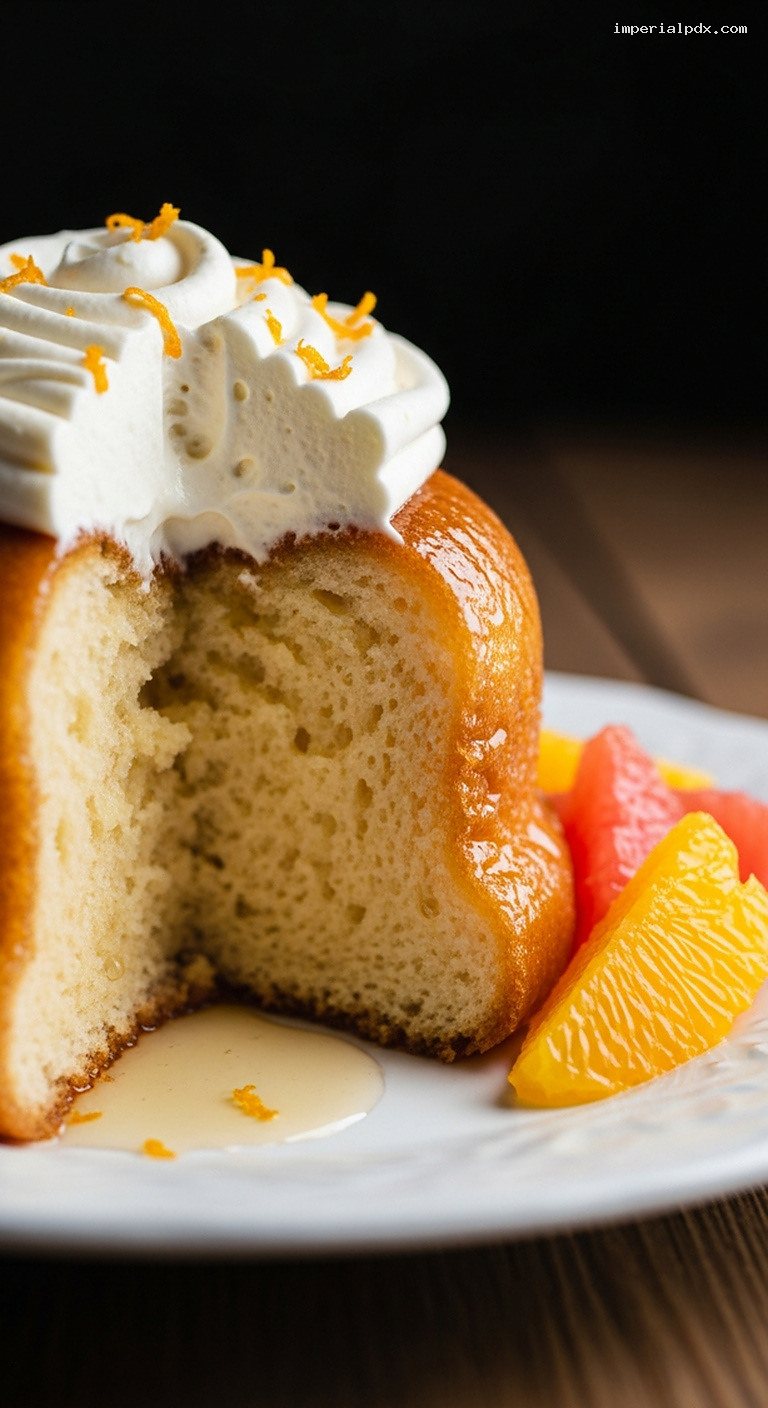
To serve, place one or two soaked babas on each plate. Spoon a generous dollop or swirl of Chantilly cream on top or alongside. Garnish with citrus segments and a drizzle of any reserved citrus juices. Add a sprinkling of finely grated orange or lemon zest and a small mint leaf if you like. Serve at room temperature or slightly chilled for the best texture and flavor.
Pro Tips
- Use very soft butter. The butter should be pliable and easily smudge when pressed but not melted. This helps it blend smoothly into the dough and creates a fine, tender crumb.
- Do not over-flour the dough. Baba dough is supposed to be sticky. Adding extra flour will make the cakes dense and dry, and they will not soak up the syrup as beautifully.
- Warm syrup, warm babas. For the best absorption, soak the babas while they are still slightly warm in syrup that is also warm (not boiling). This balance gives you maximum tenderness without falling apart.
- Control the booziness. For a milder dessert, reduce the rum to ¼ cup (60 ml) and replace the rest with water or orange juice. For a stronger hit, brush the soaked, cooled babas with a little extra rum just before serving.
- Serve on a rimmed plate. Syrupy desserts can weep a little. A shallow bowl or rimmed plate catches any escaping syrup and makes the dish look luscious rather than messy.
Variations
- Orange blossom baba: Replace half of the rum with fresh orange juice and add 1–2 teaspoons of orange blossom water to the syrup. Garnish with orange zest and orange segments.
- Coffee-rum baba: Add 1 tablespoon of instant espresso powder to the syrup along with the sugar and water. Use dark rum, and top the babas with coffee-flavored whipped cream (add 1 teaspoon instant espresso dissolved in 1 teaspoon hot water to the cream before whipping).
- Non-alcoholic version: Skip the rum and use a mix of orange juice and water instead. Add extra vanilla and citrus zest to keep the flavor vibrant and aromatic.
Storage & Make-Ahead
Plain, unsoaked babas can be cooled completely, wrapped tightly, and stored at room temperature for up to 2 days or frozen for up to 1 month. Thaw at room temperature before soaking in syrup.
Once soaked in rum syrup, the babas keep very well: place them in an airtight container and refrigerate for up to 3 days. Their flavor actually improves as the syrup fully penetrates the crumb. Bring to room temperature before serving, or serve slightly chilled.
Chantilly cream is best whipped just before serving, but you can whip it up to 4 hours ahead and refrigerate, covered. If it loosens slightly, re-whisk for a few seconds. Citrus segments can be prepared up to 1 day in advance and kept in a covered container in the fridge with their juices.
Nutrition (per serving)
Approximate values for one serving (1 baba with syrup and a generous spoonful of Chantilly cream), based on 8 servings: about 390 calories; 18 g fat; 11 g saturated fat; 45 g carbohydrates; 1 g fiber; 25 g sugar; 6 g protein; 90–110 mg sodium. Alcohol content will vary depending on how much extra rum you add and how long the syrup is simmered; some alcohol remains in the finished dessert.