Quick Recipe Version (TL;DR)
Quick Ingredients
- 1 1/2 cups (300 g) long-grain rice (preferably Baldo or similar), rinsed and soaked 20 minutes
- 3 tbsp unsalted butter
- 1 tbsp olive oil
- 1 large onion, finely diced
- 250 g chicken livers, trimmed and cut into 1 cm cubes
- 3 tbsp pine nuts
- 3 tbsp currants (or small raisins), rinsed
- 2 3/4 cups (650 ml) hot chicken stock (or vegetable stock)
- 1 tsp fine sea salt (plus more to taste)
- 1 tsp ground allspice
- 1 tsp ground cinnamon
- 1/2 tsp freshly ground black pepper
- 1 tsp sugar (optional, balances flavors)
- 1/4 cup finely chopped fresh flat-leaf parsley
- 2 tbsp finely chopped fresh dill or mint (optional)
Do This
- 1. Rinse rice until water runs clear; soak 20 minutes in warm salted water, then drain very well.
- 2. In a wide pot, melt 1 tbsp butter with olive oil over medium heat. Toast pine nuts until golden; remove. Sear liver cubes 3–4 minutes until just cooked; season lightly and set aside.
- 3. Add remaining 2 tbsp butter to pot. Sauté onion 6–8 minutes until soft and lightly golden. Stir in currants, allspice, cinnamon, pepper, salt, and sugar; cook 1–2 minutes.
- 4. Add drained rice; sauté 5–7 minutes, stirring often, until the grains look glossy, hot, and start to smell nutty (kavrulmuş).
- 5. Pour in hot stock. Add toasted pine nuts and liver. Bring to a strong simmer, then reduce to low, cover tightly, and cook 12–15 minutes until liquid is absorbed.
- 6. Turn off heat. Without lifting lid, rest 15 minutes to steam.
- 7. Uncover, gently fluff with a fork, fold in parsley (and dill or mint), adjust seasoning, and serve warm with roasted meats.
Why You’ll Love This Recipe
- It is a classic Turkish-style festive rice, rich with toasted butter flavor, warm spices, and sweet little bursts of currants.
- The sautéed (kavrulmuş) rice technique gives you fluffy, separate grains with incredible depth of flavor.
- Pine nuts and tiny bits of liver make it special-occasion worthy, but the method is straightforward enough for home cooks.
- Pairs beautifully with roasted chicken, lamb, or turkey, and looks stunning on a holiday table.
Grocery List
- Produce: 1 large onion, fresh flat-leaf parsley, fresh dill or mint (optional)
- Dairy: Unsalted butter
- Pantry: Long-grain rice, olive oil, pine nuts, currants or small raisins, chicken or vegetable stock, fine sea salt, black pepper, ground allspice, ground cinnamon, sugar (optional)
- Meat: Chicken livers (about 250 g)
Full Ingredients
Rice & Aromatics
- 1 1/2 cups (300 g) long-grain rice, preferably Baldo or other plump Turkish-style rice
- Plenty of warm water and 1 tsp salt for soaking the rice (discarded)
- 1 large onion, finely diced (about 1 1/2 cups)
- 3 tbsp unsalted butter
- 1 tbsp olive oil
- 2 3/4 cups (650 ml) hot chicken stock or vegetable stock
Liver & Mix-Ins
- 250 g chicken livers, trimmed of sinew and cut into 1 cm cubes
- 3 tbsp pine nuts
- 3 tbsp currants (or very small raisins), rinsed in warm water and drained
Spices & Seasoning
- 1 tsp fine sea salt, plus more to taste
- 1 tsp ground allspice
- 1 tsp ground cinnamon
- 1/2 tsp freshly ground black pepper
- 1 tsp sugar (optional but traditional in many versions to balance the currants and spices)
Fresh Herbs & Garnish
- 1/4 cup finely chopped fresh flat-leaf parsley
- 2 tbsp finely chopped fresh dill or mint (optional, but highly recommended)
- Additional pine nuts and herbs for sprinkling on top (optional, for serving)
Step-by-Step Instructions
Step 1: Rinse and soak the rice
Place the rice in a fine-mesh sieve and rinse under cold running water, stirring with your fingers, until the water runs mostly clear. This removes excess surface starch and helps the grains stay separate and fluffy. Transfer the rinsed rice to a bowl, cover with warm water by a few centimeters, and stir in about 1 teaspoon of salt. Let it soak for about 20 minutes while you prepare the other ingredients. After soaking, drain the rice very thoroughly in the sieve, shaking off as much water as possible so it toasts properly in the butter later.
Step 2: Prep the livers and aromatics
Trim any visible sinew or greenish spots from the chicken livers, then pat them dry with paper towels. Cut into small, bite-sized cubes, about 1 cm each; this ensures they cook quickly and distribute nicely throughout the rice. Season lightly with a pinch of salt and pepper and set aside. Finely dice the onion so it almost melts into the pilaf as it cooks. Rinse the currants in warm water and drain well. Finely chop the parsley and any additional herbs you plan to use, but keep them separate to stir in at the end so they stay fresh and vibrant.
Step 3: Toast the pine nuts and brown the livers
Choose a wide, heavy-based pot with a tight-fitting lid (a wide base encourages even cooking of the rice). Add 1 tablespoon of butter and the olive oil to the pot and heat over medium heat. When the fats are hot and shimmering, add the pine nuts. Stir constantly for 2–3 minutes until they turn light golden and smell nutty. Watch them carefully, as they can burn very quickly. Use a slotted spoon to transfer the toasted pine nuts to a small bowl.
Increase the heat slightly if needed, then add the liver cubes to the same pot in a single layer. Sear for about 3–4 minutes, stirring once or twice, until browned on the outside but still slightly pink in the center; they will cook a bit more later. Do not overcook or they will turn dry and grainy. Season lightly with a pinch of salt and pepper. Transfer the livers to the bowl with the pine nuts and set aside. Leave any flavorful browned bits (fond) in the pot for the next step.
Step 4: Build the spice base with onions, currants, and warm spices
Reduce the heat to medium-low. Add the remaining 2 tablespoons of butter to the same pot. Once melted, add the finely diced onion and a small pinch of salt. Cook gently, stirring often, for 6–8 minutes until the onions are soft, translucent, and just starting to turn pale golden at the edges. Scrape up any browned bits from the bottom of the pot with a wooden spoon as the onions release moisture.
Stir in the drained currants, ground allspice, ground cinnamon, black pepper, and sugar (if using). Cook this mixture for 1–2 minutes, stirring constantly, until very fragrant. This wakes up the spices and lets the currants start to plump. At this point, your kitchen should smell like warm, aromatic holidays.
Step 5: Toast the rice (kavrulmuş technique)
Add the well-drained rice to the pot with the onion and spice mixture. Stir to coat every grain in the buttery, aromatic base. Cook over medium heat for 5–7 minutes, stirring frequently but gently, until the rice looks glossy, feels hot to the touch, and you hear a faint crackling sound. Some grains may turn almost translucent at the tips. This is the kavrulmuş step: thoroughly toasting the rice in fat before adding liquid, which deepens the flavor and helps the grains stay separate.
Be careful not to brown or scorch the rice; adjust the heat as needed. The goal is a gentle, even toasting. If anything starts to stick, lower the heat slightly and keep stirring.
Step 6: Add stock, simmer gently, and steam
Once the rice is well toasted, pour in the hot stock carefully (it will steam vigorously). Add the toasted pine nuts and browned livers back into the pot, along with any juices they released. Stir everything once to distribute evenly. Taste the liquid and adjust salt if needed; it should taste pleasantly seasoned, as this is your only chance to adjust the seasoning of the cooking liquid.
Bring the mixture up to a strong simmer over medium-high heat. As soon as it reaches a lively simmer, give the rice a final gentle stir, then reduce the heat to low and cover the pot tightly with a lid. Cook on low for 12–15 minutes without lifting the lid, until the liquid is absorbed and small steam holes appear on the surface of the rice. If your stove runs hot, use the lowest possible heat to avoid scorching the bottom.
After 12–15 minutes, turn off the heat but leave the lid on. Let the pilaf rest and steam for an additional 15 minutes; this resting time allows the rice to finish cooking gently and firm up.
Step 7: Fluff, finish with herbs, and serve
After the resting period, remove the lid. Using a fork or a rice paddle, gently fluff the rice, lifting from the bottom to loosen the grains without mashing them. Fold in the chopped parsley and, if using, dill or mint. Taste and adjust the seasoning with more salt and pepper if needed.
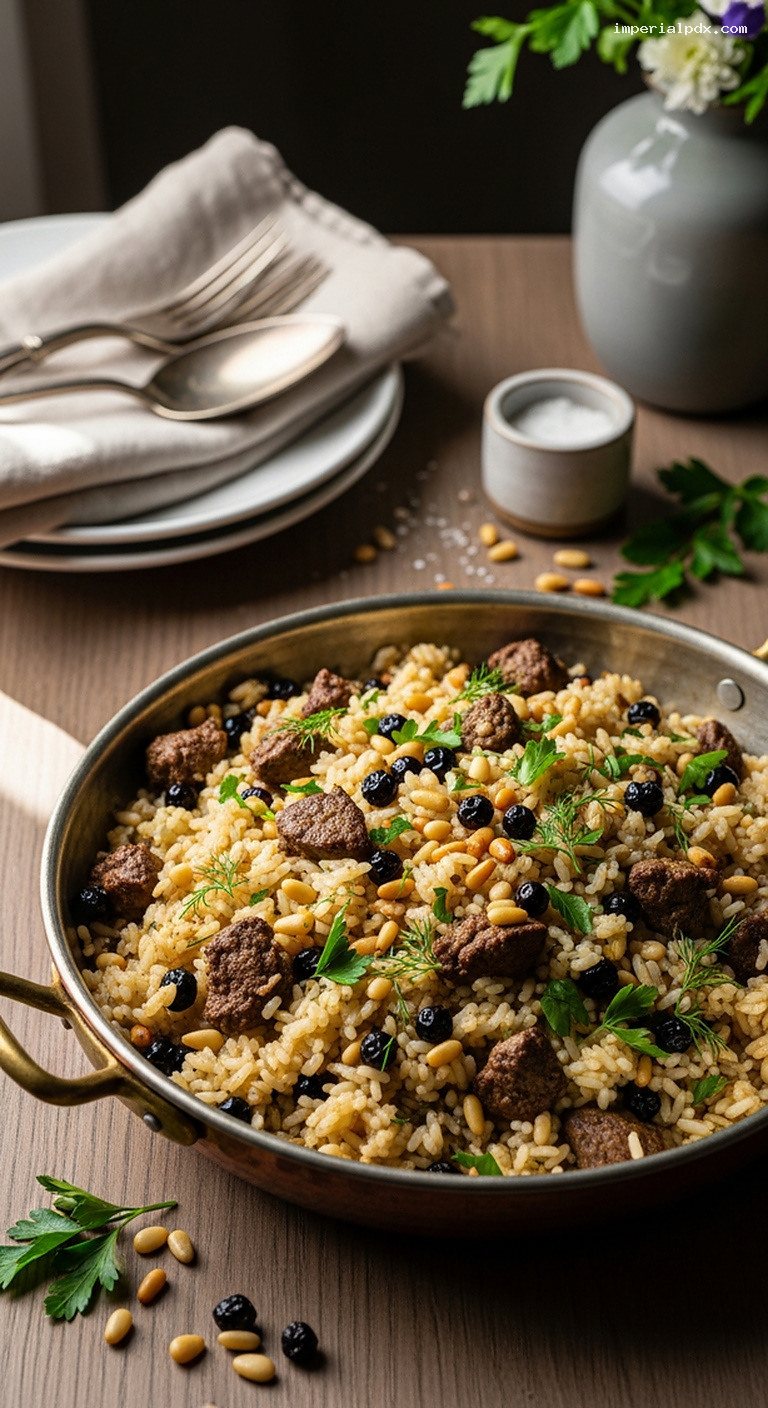
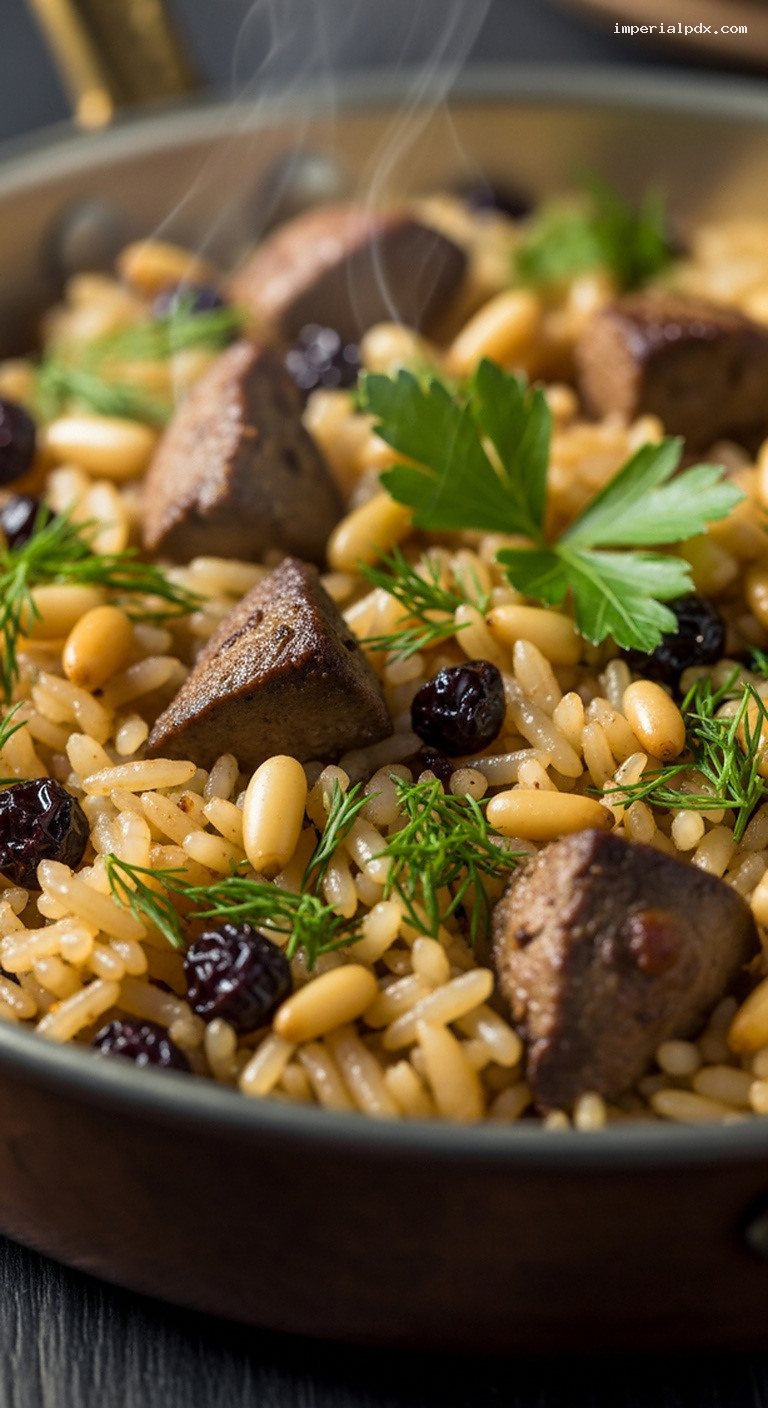
For a festive presentation, transfer the pilaf to a warm serving platter or a shallow copper pan. Sprinkle with a few extra toasted pine nuts and a little more chopped herb. Serve hot or warm alongside roasted chicken, lamb, or turkey. This kavrulmuş iç pilav also makes a beautiful stuffing for whole poultry if you slightly undercook it and let it finish cooking inside the bird.
Pro Tips
- Use a wide pot: A wider base gives the rice more surface area, helping it cook evenly and preventing a mushy, compacted center.
- Do not skip the toasting: Thoroughly sautéing the rice in butter (kavrur) is key to flavor and texture. The grains should be hot, glossy, and lightly nutty before you add stock.
- Resting time matters: The 15-minute off-heat rest is when the rice finishes steaming and firms up. Resist the urge to peek under the lid early.
- Liver doneness: Brown the liver quickly and keep it slightly pink inside. Overcooked liver can turn chalky; it will cook a little more once simmered with the rice.
- Hot stock, not cold water: Adding hot stock keeps the cooking process steady and helps prevent the rice from cracking or cooking unevenly.
Variations
- No-liver version: Omit the chicken livers and double the pine nuts and currants for a vegetarian-style iç pilav. Use good vegetable stock instead of chicken stock.
- Chestnut festive version: Add 1/2 cup coarsely chopped cooked chestnuts along with the pine nuts and liver for an extra-luxurious, holiday-worthy pilaf.
- Heavier spice profile: Add a pinch of ground cloves and 1/4 teaspoon ground nutmeg with the cinnamon and allspice for a deeper, more aromatic flavor, especially good with roast lamb.
Storage & Make-Ahead
Cool leftover pilaf completely, then transfer to an airtight container and refrigerate for up to 3 days. To reheat, sprinkle a tablespoon or two of water over the rice, cover, and warm gently on the stovetop over low heat or in the microwave until steaming hot, fluffing occasionally. You can also reheat it covered in a 160°C / 325°F oven for about 15–20 minutes. For make-ahead entertaining, you can cook the pine nuts and livers, and chop the herbs up to 1 day in advance; store each separately in the refrigerator. You can also toast the rice in butter ahead of time, stop before adding the stock, cool it, and refrigerate in the pot; when ready to serve, reheat gently, add hot stock, and cook as directed, adding a minute or two if needed because the rice is starting cold.
Nutrition (per serving)
Approximate values per serving (1/6 of the recipe): 320 calories; 10 g protein; 12 g fat (5 g saturated); 44 g carbohydrates; 2 g fiber; 4 g sugar; 540 mg sodium. Actual values will vary based on the exact stock, butter, and liver used.