Quick Recipe Version (TL;DR)
Quick Ingredients
- 1/3 cup hoisin sauce
- 3 tablespoons soy sauce (low-sodium preferred)
- 1/4 cup water or unsalted chicken/vegetable broth
- 2 tablespoons unseasoned rice vinegar
- 1 tablespoon packed brown sugar
- 1 tablespoon toasted sesame oil
- 1 tablespoon finely minced garlic (about 3 cloves)
- 2 teaspoons finely grated fresh ginger
- 1/4 teaspoon red pepper flakes (optional)
- 1 1/2 teaspoons cornstarch
- 2 tablespoons cold water (for cornstarch slurry)
Do This
- 1. Mince garlic and grate ginger very finely; set aside.
- 2. In a small bowl, whisk together hoisin, soy sauce, 1/4 cup water or broth, rice vinegar, brown sugar, sesame oil, and red pepper flakes.
- 3. In a separate small bowl, whisk cornstarch with 2 tablespoons cold water until smooth (no lumps).
- 4. Add a teaspoon of neutral oil to a small saucepan over medium heat; sauté garlic and ginger for 30–45 seconds until fragrant but not browned.
- 5. Pour in the hoisin-soy mixture, bring to a gentle simmer over medium heat, then whisk in the cornstarch slurry.
- 6. Simmer 1–2 minutes, whisking, until lightly thickened and glossy; if too thick, whisk in 1–2 tablespoons water.
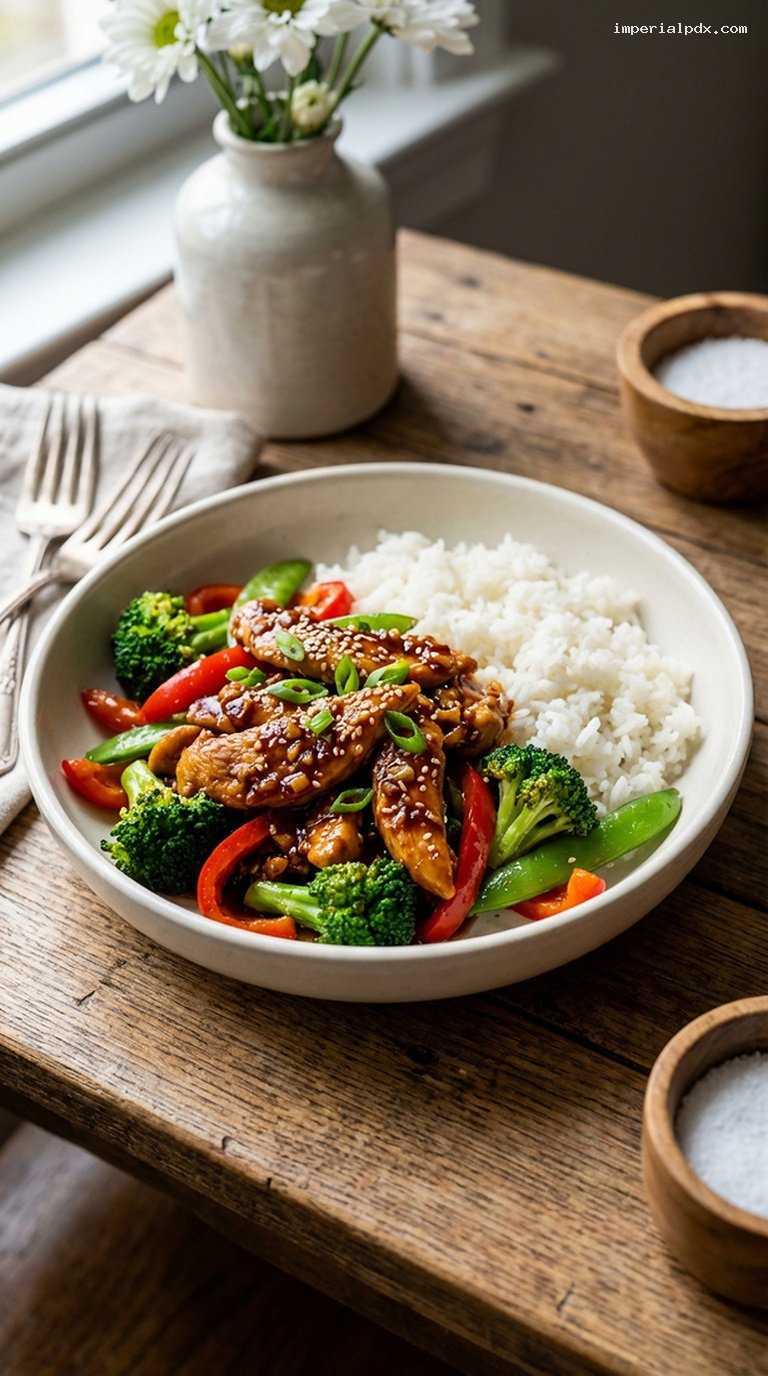
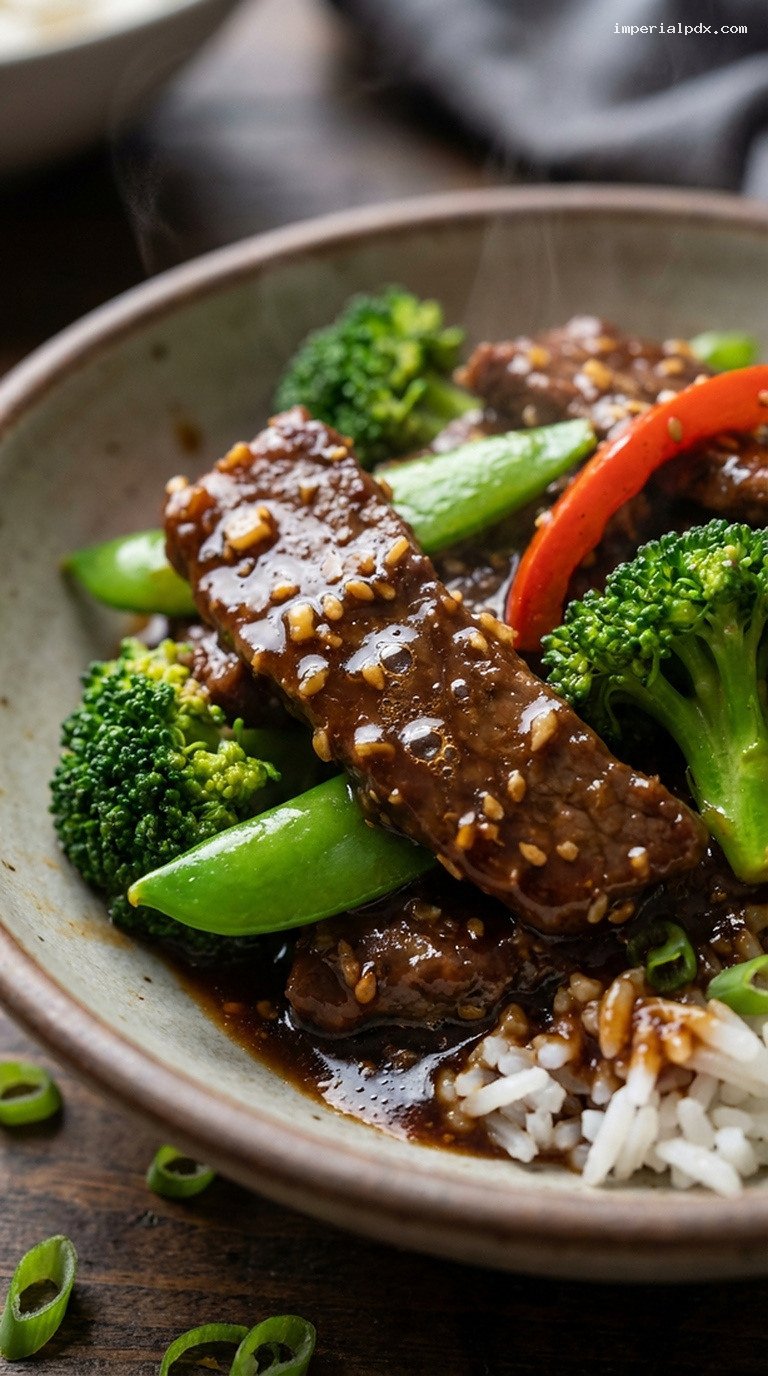
- 7. Cool slightly; use about 3–4 tablespoons per stir-fry serving of beef, chicken, or vegetables, adding it in the last 1–2 minutes of cooking.
Why You’ll Love This Recipe
- Perfect sweet-salty balance with hoisin, soy sauce, garlic, and ginger.
- Designed to cling gently to meat and vegetables without becoming gloopy.
- Ready in 15 minutes and keeps well for quick weeknight stir-fries.
- Flexible base sauce that works with beef, chicken, tofu, or mixed vegetables.
Grocery List
- Produce: Garlic, fresh ginger, green onions (for garnish, optional), stir-fry vegetables of choice (broccoli, bell peppers, snap peas, carrots, mushrooms, etc.).
- Dairy: None required.
- Pantry: Hoisin sauce, soy sauce (low-sodium preferred), unseasoned rice vinegar, brown sugar, toasted sesame oil, cornstarch, neutral oil (canola, vegetable, peanut, or sunflower), red pepper flakes, kosher salt, black pepper, chicken or vegetable broth (optional instead of water).
Full Ingredients
Hoisin-Garlic Stir-Fry Sauce
- 1/3 cup hoisin sauce
- 3 tablespoons soy sauce (ideally low-sodium)
- 1/4 cup water or unsalted chicken or vegetable broth
- 2 tablespoons unseasoned rice vinegar
- 1 tablespoon packed light or dark brown sugar
- 1 tablespoon toasted sesame oil
- 1 tablespoon finely minced garlic (about 3 medium cloves)
- 2 teaspoons finely grated fresh ginger
- 1/4 teaspoon red pepper flakes (optional, for gentle heat)
- 1 1/2 teaspoons cornstarch
- 2 tablespoons cold water (for the cornstarch slurry)
- 1 teaspoon neutral oil (for sautéing the aromatics)
For Using the Sauce in a Simple Stir-Fry (Optional)
- 1 pound beef, chicken, pork, tofu, or tempeh, thinly sliced
- 4 cups mixed stir-fry vegetables (broccoli florets, sliced bell peppers, snow or sugar snap peas, sliced carrots, etc.)
- 2 tablespoons neutral oil (for stir-frying)
- 1/2 teaspoon kosher salt (or to taste)
- Freshly ground black pepper, to taste
- Cooked rice or noodles, for serving (optional but recommended)
- 2 green onions, thinly sliced, for garnish (optional)
- Toasted sesame seeds, for garnish (optional)
Step-by-Step Instructions
Step 1: Prep the Garlic and Ginger
Peel the garlic cloves and mince them as finely as you can. You want small, even pieces so they soften quickly in the pan and blend into the sauce. Peel a small knob of fresh ginger with a spoon or knife, then grate it on a fine grater or microplane. Measure out 1 tablespoon minced garlic and 2 teaspoons grated ginger. Set both aside near the stove so they are ready to go as soon as your pan is hot. Having your aromatics fully prepped before you turn on the heat helps prevent burning and keeps this sauce easy and stress-free.
Step 2: Mix the Liquid Base
In a medium bowl or large measuring cup, whisk together the hoisin sauce, soy sauce, 1/4 cup water or broth, rice vinegar, brown sugar, toasted sesame oil, and red pepper flakes if using. Whisk until the mixture is smooth and the sugar has mostly dissolved. This bowl holds all your flavor: the hoisin brings sweetness and body, soy adds savory depth, vinegar brightens, and sesame oil adds nuttiness. Set this bowl next to the stove so you can pour it in immediately after sautéing the garlic and ginger.
Step 3: Make the Cornstarch Slurry
In a separate small bowl, whisk the cornstarch with 2 tablespoons cold water until completely smooth. There should be no dry pockets or lumps; it should look like thin milk. Using cold water is important; warm water can cause the cornstarch to clump. This slurry will lightly thicken the sauce so it coats your meat and vegetables in a glossy, restaurant-style finish without becoming overly heavy or gelatinous.
Step 4: Sauté the Aromatics
Place a small saucepan over medium heat and add 1 teaspoon neutral oil. Once the oil just begins to shimmer (about 30–45 seconds), add the minced garlic and grated ginger. Cook, stirring constantly with a spatula or wooden spoon, for 30–45 seconds until fragrant and slightly softened. Do not let them brown or burn; if they begin to color quickly, reduce the heat. This quick sauté tames the raw bite of the garlic and ginger and releases their flavor into the oil, forming the aromatic base of your sauce.
Step 5: Simmer and Thicken the Sauce
Give your hoisin-soy mixture a quick stir, then carefully pour it into the saucepan with the garlic and ginger. Stir to combine and bring the sauce to a gentle simmer over medium heat; this should take about 1–2 minutes. Once it is gently bubbling, whisk the cornstarch slurry again (it settles quickly), then slowly pour it into the pan while whisking constantly. Continue to simmer for 1–2 minutes, whisking, until the sauce looks glossy and lightly thickened enough to coat the back of a spoon. If it becomes thicker than you like, whisk in an extra 1–2 tablespoons of water or broth to loosen it slightly.
Step 6: Taste and Adjust the Flavor
Turn the heat to low and taste a small spoonful of the sauce. If you prefer it a bit sweeter, add up to 1 additional teaspoon brown sugar and whisk to dissolve. For more tang, add 1–2 teaspoons extra rice vinegar. For more saltiness, add 1–2 teaspoons soy sauce. If you want extra heat, sprinkle in a pinch more red pepper flakes or a dash of chili oil. Simmer for another 30 seconds after any adjustments so the flavors meld. When the sauce tastes balanced to you—savory, gently sweet, nicely garlicky—remove the pan from the heat.
Step 7: Cool, Store, and Use in Stir-Fries
Let the sauce cool for at least 5–10 minutes before transferring it to a clean jar or container. The sauce will thicken slightly more as it cools, which is normal. Store in the refrigerator for up to 1 week. To use, give it a good stir. In a hot wok or large skillet, stir-fry 1 pound thinly sliced beef, chicken, pork, tofu, or tempeh in 1–2 tablespoons hot oil until almost cooked through. Add about 4 cups vegetables and cook until crisp-tender. Pour in 1/4 to 1/3 cup of the hoisin-garlic stir-fry sauce and toss over high heat for 1–2 minutes, just until everything is coated and the sauce is bubbling. Serve immediately over rice or noodles, garnished with sliced green onions and toasted sesame seeds if you like.
Pro Tips
- Use low-sodium soy sauce: This gives you better control over the saltiness, especially if you plan to season your meat or vegetables separately.
- Keep the heat moderate for the aromatics: Garlic burns very quickly; medium heat and constant stirring will keep it fragrant and sweet rather than bitter.
- Adjust thickness at the end: If the sauce is too thick, whisk in water or broth 1 tablespoon at a time. If it is too thin, simmer for another minute or add 1/2 teaspoon cornstarch mixed with 1 teaspoon cold water.
- Add sauce at the end of the stir-fry: For the best texture, cook meat and vegetables first, then add the sauce in the last 1–2 minutes just to coat and glaze.
- Slice proteins thinly: Thin slices of beef or chicken cook quickly over high heat and absorb the sauce better, giving you more flavor in every bite.
Variations
- Orange-Hoisin Stir-Fry Sauce: Replace half of the water or broth (2 tablespoons) with fresh orange juice and add 1 teaspoon orange zest. This adds a bright citrus note that pairs wonderfully with chicken and vegetables.
- Spicy Chili-Hoisin Sauce: Add 1–2 teaspoons chili garlic sauce or sriracha (in addition to or instead of red pepper flakes) for a bolder, spicier kick that works especially well with beef and broccoli.
- Sesame-Peanut Version: Whisk 2 tablespoons smooth peanut butter into the hoisin-soy mixture in Step 2 and thin with an extra 2–3 tablespoons water as needed. This creates a richer, nutty sauce that is excellent with tofu and mixed vegetables.
Storage & Make-Ahead
Once cooled, transfer the hoisin-garlic stir-fry sauce to a clean, airtight jar or container. Refrigerate for up to 7 days. The sauce may thicken as it chills; simply stir it well and, if needed, whisk in a teaspoon or two of water to loosen it before using. For longer storage, you can freeze the sauce in small portions (ice cube tray or small containers) for up to 3 months; thaw overnight in the refrigerator or gently over low heat on the stove. This sauce is perfect for meal prep: make a batch on the weekend and use it to quickly finish stir-fries, glaze grilled meats, or drizzle over steamed vegetables throughout the week.
Nutrition (per serving)
Approximate values per serving, assuming 8 servings (about 2 tablespoons each) of sauce: 45–55 calories; 1.5 g fat; 8–9 g carbohydrates; 0.5 g fiber; 6–7 g sugar; 1 g protein; 430–520 mg sodium (varies with brand of hoisin and soy sauce). These numbers are estimates and will change slightly depending on the exact products you use and how much sauce you add to your stir-fries.