Quick Recipe Version (TL;DR)
Quick Ingredients
- 1 cup (240 g) plain whole-milk yogurt
- 2 large eggs, at room temperature
- 1 cup (200 g) granulated sugar
- 1/2 cup (120 ml) neutral oil (sunflower, canola, or light olive)
- 2 cups (260 g) all-purpose flour
- 2 tsp baking powder
- 1/4 tsp fine salt
- Zest of 1 lemon and/or 2 tsp pure vanilla extract
- Optional for serving: powdered sugar, fresh berries or fruit
Do This
- 1. Preheat oven to 350°F (180°C). Grease and flour a 9 in (23 cm) round pan or line with parchment.
- 2. In a bowl, whisk yogurt, eggs, sugar, oil, and lemon zest or vanilla until smooth.
- 3. In another bowl, whisk flour, baking powder, and salt.
- 4. Gently fold dry ingredients into wet just until no dry streaks remain.
- 5. Pour batter into pan, smooth top, and bake 35–40 minutes until golden and a tester comes out clean.
- 6. Cool 10 minutes in pan, then turn out onto a rack to cool completely. Dust with powdered sugar and serve with fruit.
Why You’ll Love This Recipe
- Classic French home-style cake: tender, moist, and wonderfully simple.
- One-bowl batter, no mixer needed, and very forgiving for new bakers.
- Easily customized with lemon, vanilla, or both, plus any seasonal fruit on the side.
- Stays soft for days, perfect for breakfast, afternoon coffee, or an easy dessert.
Grocery List
- Produce: 1 lemon (for zest and optional juice), fresh berries or stone fruit (optional for serving)
- Dairy: Plain whole-milk yogurt (not Greek; about 1 cup / 240 g)
- Pantry: All-purpose flour, granulated sugar, neutral oil (sunflower, canola, or light olive), baking powder, fine salt, pure vanilla extract, powdered sugar (for dusting)
Full Ingredients
For the Gâteau au Yaourt
- 1 cup (240 g) plain whole-milk yogurt, at room temperature
- 2 large eggs, at room temperature
- 1 cup (200 g) granulated sugar
- 1/2 cup (120 ml) neutral oil (sunflower, canola, grapeseed, or light olive oil)
- 2 cups (260 g) all-purpose flour
- 2 tsp baking powder
- 1/4 tsp fine sea salt or table salt
Choose Your Flavoring
- Lemon version: Finely grated zest of 1 unwaxed lemon (about 1–2 tsp), plus 1 tbsp (15 ml) freshly squeezed lemon juice
- Vanilla version: 2 tsp pure vanilla extract
- Lemon–vanilla (optional hybrid): Zest of 1/2 lemon plus 1 tsp vanilla extract
For Serving (Optional)
- 2–3 tbsp powdered (confectioners’) sugar, for dusting
- 2–3 cups fresh berries or sliced fruit (strawberries, raspberries, apricots, peaches, or plums)
- Lightly sweetened whipped cream, yogurt, or crème fraîche, to serve alongside
Step-by-Step Instructions
Step 1: Prepare the pan and preheat the oven
Preheat your oven to 350°F (180°C), placing a rack in the center. Lightly grease a 9 in (23 cm) round cake pan or a 9 × 5 in (23 × 13 cm) loaf pan with butter or oil. Line the bottom with a circle (or strip, for loaf) of parchment paper, then lightly grease and flour the parchment as well, tapping out any excess flour. This helps the delicate, moist cake release cleanly without sticking.
Step 2: Mix the wet ingredients with the sugar
In a medium or large mixing bowl, add the yogurt, eggs, and granulated sugar. Whisk vigorously until the mixture is smooth, slightly thickened, and lightened in color, 1–2 minutes by hand. Whisk in the oil in a slow, steady stream until fully incorporated and glossy.
Now add your chosen flavoring: for the lemon version, whisk in the lemon zest and lemon juice; for the vanilla version, whisk in the vanilla extract; or use a combination of zest and vanilla if you like a layered flavor. Set this wet mixture aside.
Step 3: Whisk together the dry ingredients
In a separate bowl, combine the all-purpose flour, baking powder, and salt. Whisk well to distribute the baking powder evenly and break up any lumps. This step ensures the cake rises evenly and prevents pockets of baking powder in the finished crumb.
Step 4: Gently combine wet and dry into a smooth batter
Sprinkle the dry ingredients over the wet mixture in two additions. Using a spatula or wooden spoon, gently fold the flour mixture into the wet ingredients, turning the bowl as you go. Mix just until no visible streaks of dry flour remain and the batter looks smooth and homogenous.
Take care not to overmix at this stage. Overworking the batter can develop the gluten in the flour and make the cake tougher instead of tender and soft. A few tiny lumps are fine; they will smooth out as the cake bakes.
Step 5: Fill the pan and bake until golden
Pour the batter into the prepared pan, using a spatula to scrape the bowl and smooth the top into an even layer. Give the pan a gentle tap on the counter to release any large air bubbles.
Bake in the preheated 350°F (180°C) oven for 35–40 minutes. Ovens vary, so begin checking at around 32–33 minutes. The cake is done when it is evenly golden on top, springs back lightly when touched in the center, and a toothpick or thin knife inserted into the center comes out clean or with just a few moist crumbs (no wet batter).
Step 6: Cool the cake properly
Remove the pan from the oven and place it on a wire cooling rack. Let the cake cool in the pan for about 10 minutes. This brief rest allows the structure to set so it does not break when unmolded.
After 10 minutes, run a thin knife around the edges of the cake to loosen it. Invert a plate or rack over the pan, flip the whole thing upside down, and gently lift off the pan. Peel away the parchment. If you prefer the browned side up, flip the cake once more onto a serving plate. Allow the cake to cool until just warm or completely at room temperature before dusting and slicing.
Step 7: Finish, garnish, and serve
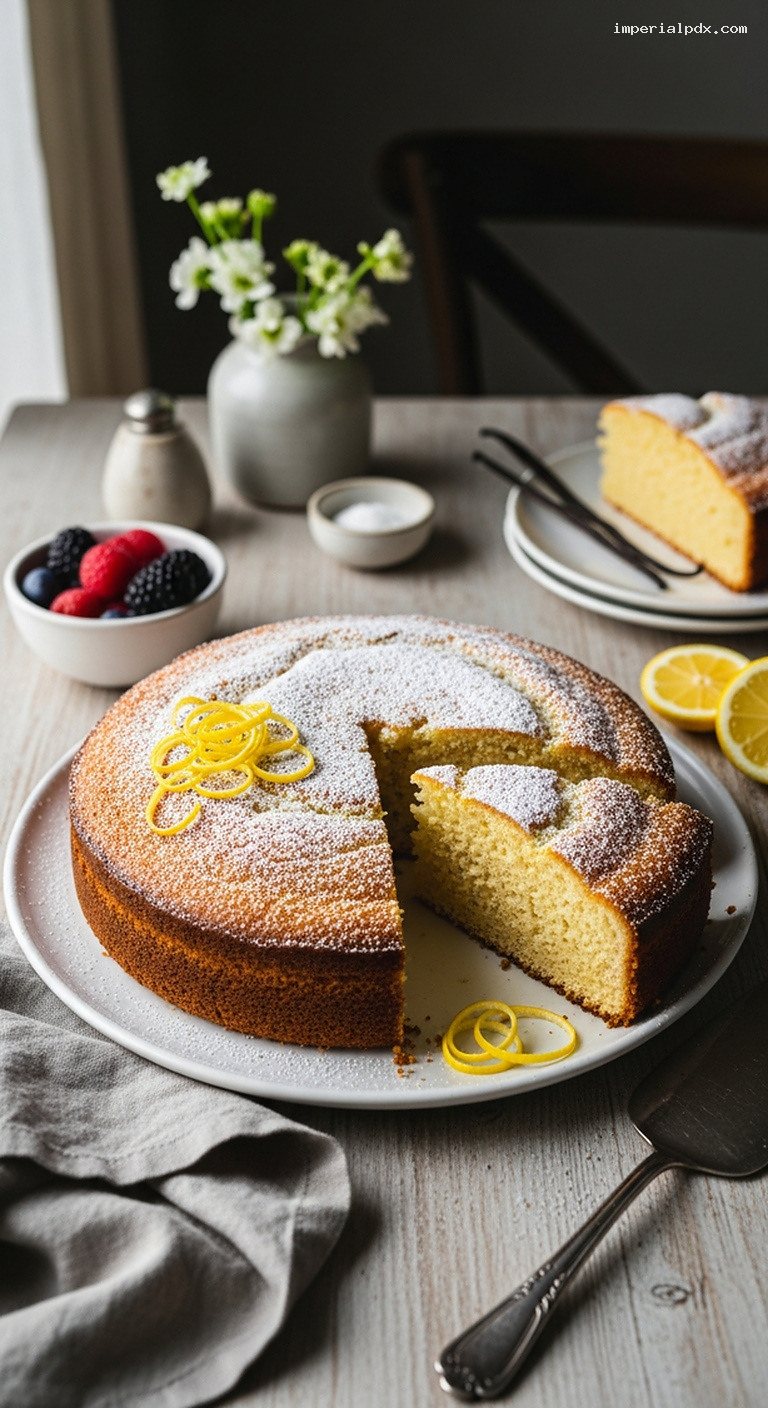
Once the cake is cool, place it on a serving platter. Lightly dust the top with powdered sugar using a fine-mesh sieve for a delicate, even layer. For a more decorative look, you can also garnish with a few very thin lemon slices or curls of lemon zest for the lemon version, or a scatter of fresh berries around the base.
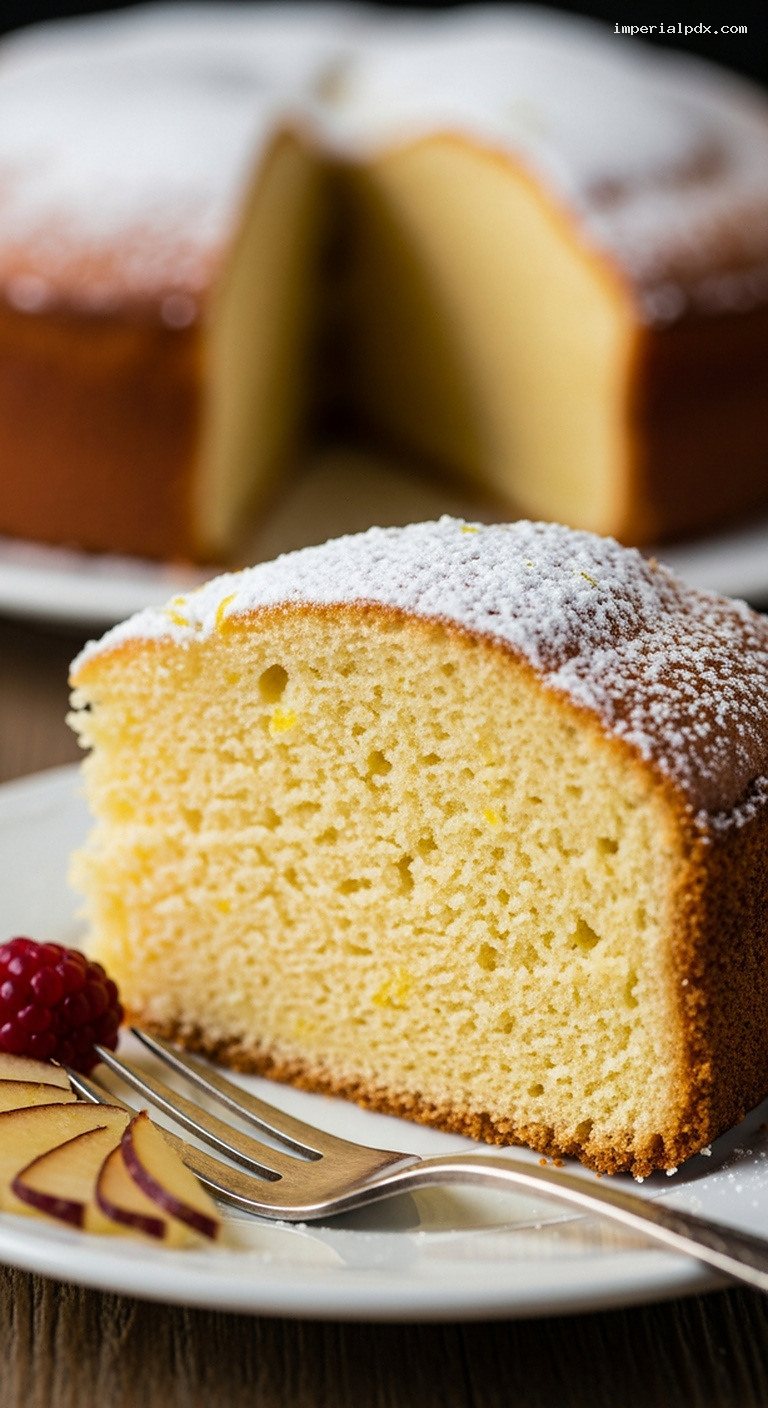
Slice into wedges (for a round cake) or thick slices (for a loaf). Serve plain, or with a spoonful of fresh berries or sliced fruit and a dollop of whipped cream, yogurt, or crème fraîche. This cake is lovely at room temperature, and many people find it even more flavorful the next day.
Pro Tips
- Use whole-milk yogurt: Whole-milk (full-fat) yogurt gives the cake its signature moist, tender crumb. Low-fat yogurt will work but the cake will be slightly drier.
- Room-temperature ingredients bake more evenly: Let the yogurt and eggs sit out for 20–30 minutes before baking so they combine smoothly and the cake rises well.
- Do not overmix the batter: Once you add the flour, fold gently just until blended. Overmixing can make the cake dense or rubbery.
- Check for doneness early: Start testing a few minutes before the minimum baking time. A slightly underbaked center that finishes cooking from residual heat is better than a dry, overbaked cake.
- Let the flavors develop: The lemon or vanilla aroma becomes more pronounced after a few hours. If you can, bake the cake in the morning for serving later in the day, or even the day before.
Variations
- Orange or citrus blend: Replace the lemon zest and juice with zest of 1 orange (or half orange, half lemon) and 1 tbsp orange juice. Serve with orange segments or a quick citrus salad.
- Marbled chocolate yogurt cake: Reserve 1/3 of the batter and mix in 2 tbsp unsweetened cocoa powder plus 1 tbsp milk. Dollop the chocolate batter over the plain batter in the pan and swirl gently with a knife for a marbled effect.
- Fruit-studded version: Fold 1 cup (about 150 g) small berries (such as blueberries or raspberries) or finely diced firm fruit (pear, apple, or apricot) into the batter at the end. Lightly toss fruit with 1 tbsp flour first to help suspend it in the batter.
Storage & Make-Ahead
Allow the cake to cool completely before storing. Wrap the whole cake tightly in plastic wrap or place slices in an airtight container.
At room temperature: The cake keeps well for 2–3 days in a cool, dry spot. In many home kitchens in France, it simply lives under a cake dome on the counter.
In the refrigerator: Store up to 5 days. Bring slices back to room temperature before serving for the best texture and flavor.
Freezing: Wrap individual slices or the whole cake (well wrapped in plastic, then foil) and freeze for up to 2 months. Thaw overnight in the refrigerator or for 1–2 hours at room temperature. A brief 10–15 second warm-up in the microwave per slice will refresh the crumb.
Nutrition (per serving)
Approximate values for 1 of 8 servings (without toppings): about 320 calories; 14 g fat; 6 g saturated fat; 43 g carbohydrates; 1 g fiber; 25 g sugars; 6 g protein; 200 mg sodium. Values will vary based on the yogurt and oil used, and any toppings or additions.