Quick Recipe Version (TL;DR)
Quick Ingredients
- 4 tbsp (60 g) unsalted butter, plus 1 tbsp (15 g) for finishing
- 1/2 cup (70 g) fine or medium cornmeal
- 2 cups (480 ml) hot water
- 1/2 tsp fine sea salt (or to taste)
- 3 cups (300 g) shredded melting cheese (ideally: 2 cups low‑moisture mozzarella + 1 cup mild white cheddar or young kashar)
- Freshly ground black pepper or pul biber (Aleppo pepper), optional
- 1 medium loaf crusty bread, warmed and sliced, for dipping
Do This
- 1. Shred 3 cups (300 g) cheese and warm 2 cups (480 ml) water in a small saucepan or kettle.
- 2. In a wide, heavy skillet, melt 4 tbsp (60 g) butter over medium-low heat until foamy but not browned.
- 3. Sprinkle in 1/2 cup (70 g) cornmeal, stirring constantly, and toast for 3–4 minutes until it smells nutty.
- 4. Slowly whisk in the hot water and 1/2 tsp salt; cook, stirring, 5–7 minutes until thick, glossy, and bubbling slowly.
- 5. Reduce heat to low. Add cheese in 3–4 handfuls, stirring gently until fully melted, silky, and stretchy.
- 6. Swirl in remaining 1 tbsp (15 g) butter; season with pepper or pul biber if using.
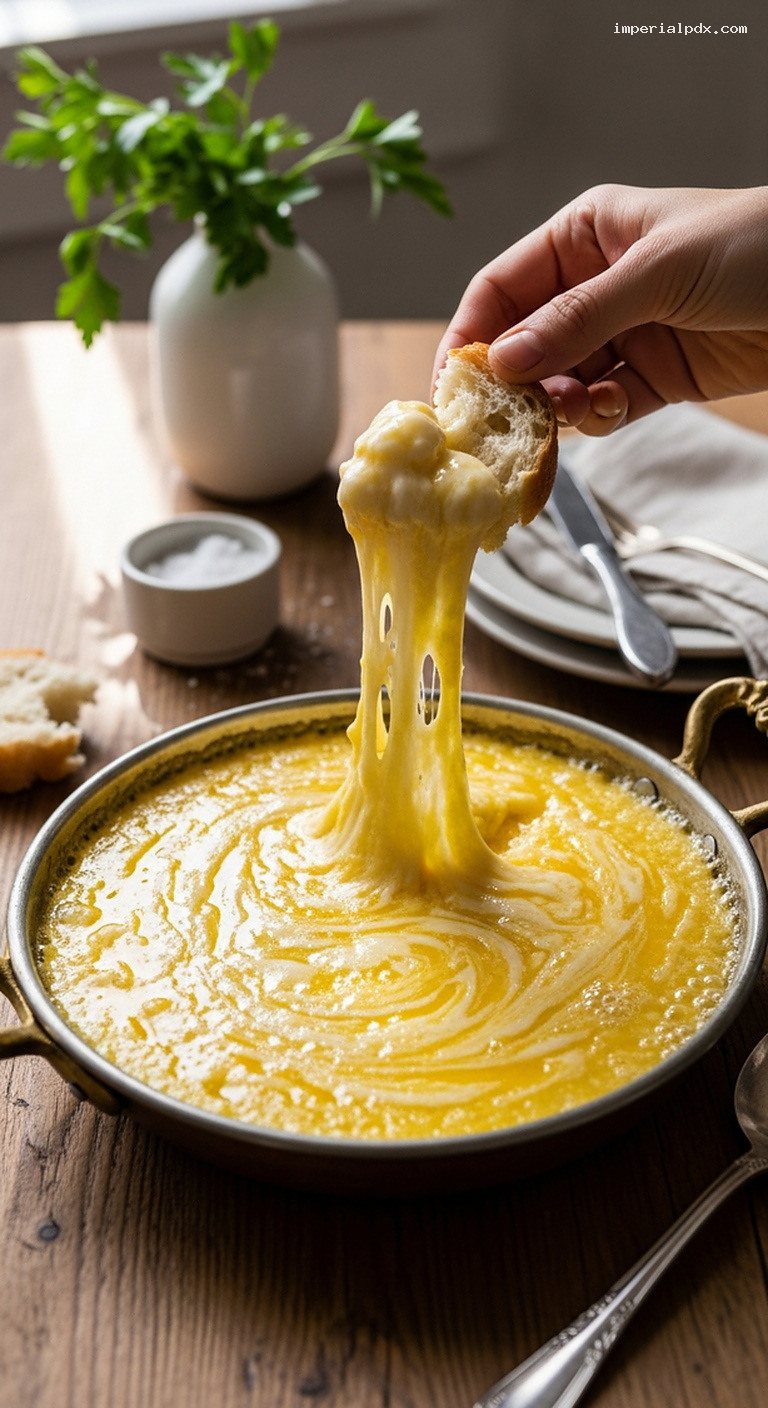
- 7. Serve immediately in the pan, piping hot, with lots of warm bread for dipping and pulling long cheese strands.
Why You’ll Love This Recipe
- Ultra-comforting: a molten, buttery pool of cornmeal and stretchy cheese that is perfect for tearing and dipping bread.
- Simple ingredients, big flavor: just cornmeal, butter, cheese, and water create an incredibly rich Black Sea classic.
- Show-stopping cheese pull: the gooey, elastic strands make this a dramatic centerpiece for brunch or sharing.
- Approachable for home cooks: no special equipment needed, and flexible cheese options you can find in most supermarkets.
Grocery List
- Produce: Optional: fresh parsley or chives for garnish; tomatoes, cucumbers, and olives for serving alongside.
- Dairy: Unsalted butter; low-moisture mozzarella or similar stretchy cheese; mild white cheddar, Monterey Jack, or young kashar.
- Pantry: Fine or medium cornmeal; fine sea salt; black pepper; pul biber (Aleppo pepper) or red pepper flakes; crusty bread.
Full Ingredients
For the Kuymak Base
- 4 tbsp (60 g) unsalted butter
- 1/2 cup (70 g) fine or medium cornmeal (not instant; stone-ground if possible)
- 2 cups (480 ml) hot water
- 1/2 tsp fine sea salt, plus more to taste
For the Stretchy Cheese Layer
- 3 cups (300 g) shredded melting cheese total, ideally:
- 2 cups (200 g) low-moisture mozzarella, young kashar, or Oaxacan cheese
- 1 cup (100 g) mild white cheddar, Monterey Jack, or similar
For Finishing & Serving
- 1 tbsp (15 g) unsalted butter, cut into small pieces
- Freshly ground black pepper or pul biber (Aleppo pepper), to taste (optional)
- 1 medium loaf crusty bread (Turkish bread, rustic country loaf, or baguette), warmed and sliced
- Optional: chopped fresh parsley or chives, for a light sprinkle on top
Step-by-Step Instructions
Step 1: Prep the cheese and bread
Start by shredding your cheeses so they melt quickly and evenly. Measure out a total of 3 cups (300 g) shredded cheese. If you are combining types, aim for about 2 cups (200 g) of mozzarella or other very stretchy cheese and 1 cup (100 g) of a slightly sharper but still good-melting cheese like mild white cheddar or Monterey Jack. Toss them together in a bowl and keep nearby.
Slice your bread and warm it in a low oven (about 150–160°C / 300–320°F) or in a dry pan, just until it is soft inside and lightly crisp at the edges. Turn off the oven and keep the bread inside so it stays warm while you cook the kuymak. Have heatproof trivets or a wooden board ready to bring the hot pan straight to the table.
Step 2: Heat the butter gently
Place a wide, heavy-bottomed skillet or shallow pan (ideally 20–24 cm / 8–9 inches across; copper or cast iron is traditional) over medium-low heat. Add 4 tbsp (60 g) unsalted butter. Let the butter melt slowly, swirling the pan occasionally, until it is fully melted and just starting to foam. You do not want it to brown; reduce the heat if it starts to darken. While the butter melts, heat 2 cups (480 ml) water in a small saucepan or kettle until hot but not necessarily boiling. Hot water makes it easier to avoid lumps in the cornmeal.
Step 3: Toast the cornmeal in butter
Sprinkle the 1/2 cup (70 g) cornmeal evenly over the melted butter while stirring constantly with a wooden spoon or silicone spatula. Cook the cornmeal in the butter for 3–4 minutes over medium-low heat, stirring and gently pressing out any small clumps. The mixture will look sandy and thick, and you should start to smell a warm, nutty aroma. This toasting step is key: it deepens the flavor and helps create a smoother, silkier base for the cheese.
Step 4: Whisk in hot water and simmer until thick
Keeping the heat at medium-low, begin adding the hot water in a thin stream while stirring or whisking constantly. Start with about 1/3 of the water, stirring until it is mostly absorbed and the mixture loosens, then add the next 1/3, and finally the rest. Make sure to scrape the bottom and edges of the pan so no dry pockets remain.
Add the 1/2 tsp salt and continue to cook, stirring frequently, for 5–7 minutes. The mixture will thicken into a glossy, soft porridge that bubbles slowly. It should be thick but still just fluid enough that a spoon dragged through leaves a line that slowly fills in. If it gets too stiff, add 1–2 tbsp hot water at a time to loosen it slightly.
Step 5: Melt in the cheese until silky and stretchy
Once the cornmeal base is thick and smooth, reduce the heat to low. This is important: too much heat at this stage can make the cheese oily or rubbery instead of stretchy.
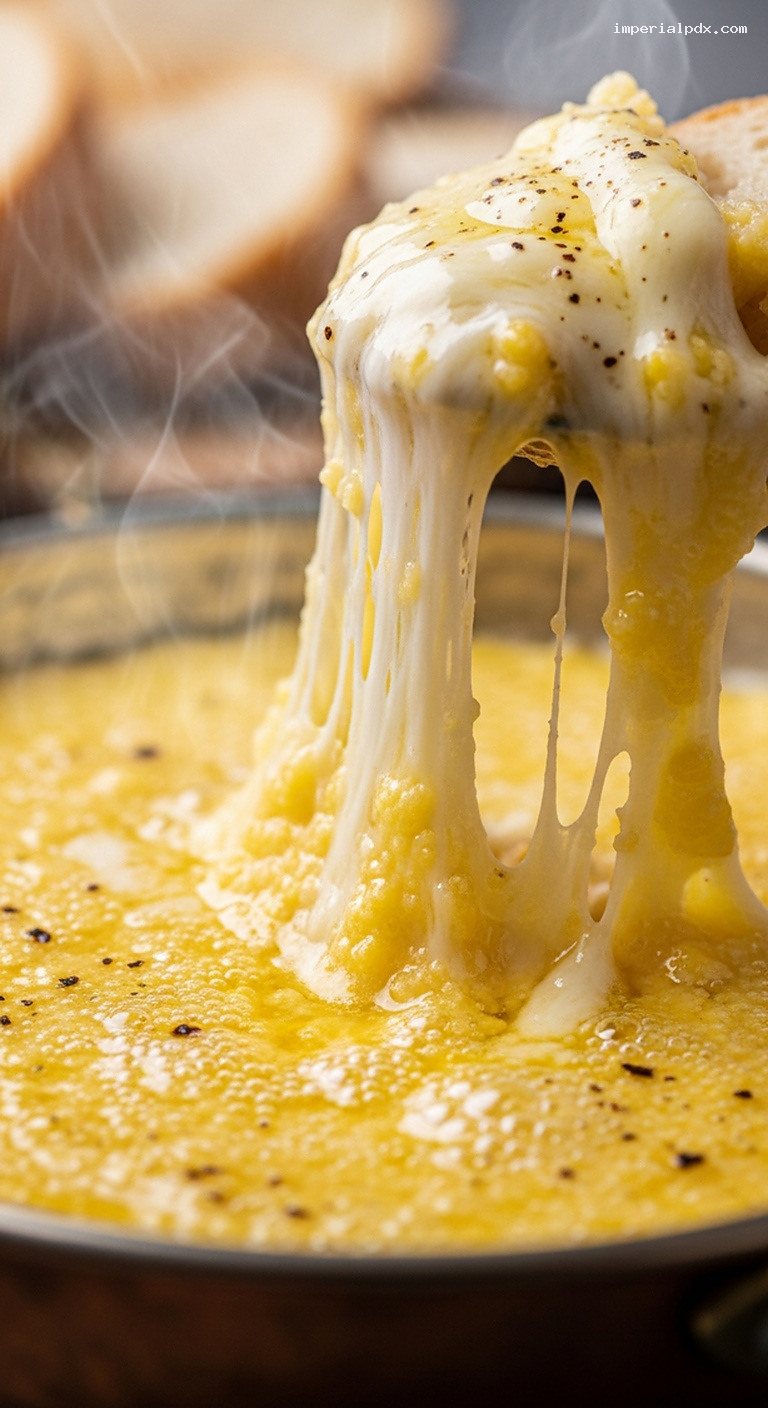
Sprinkle in a small handful of the shredded cheese and stir gently until it is fully melted and incorporated. Continue adding the cheese in 3–4 additions, stirring slowly after each one, until it has all melted into the cornmeal. The mixture should become glossy, thick, and incredibly stretchy. You will see long strands form if you lift the spoon. If at any point it seems too stiff, add a splash (1–2 tbsp) of hot water and stir it in well.
Taste and adjust the salt if needed. Some cheeses are saltier than others, so you may not need more.
Step 6: Finish with butter and serve immediately
Dot the surface with the remaining 1 tbsp (15 g) butter. Let it melt into golden pools on top of the kuymak. If you like a gentle kick, dust the surface lightly with freshly ground black pepper or pul biber. You can also add a tiny sprinkle of fresh herbs such as parsley or chives for color, though traditional kuymak is often served without garnishes.
Immediately remove the pan from the heat and set it on the table over a trivet or wooden board. Kuymak is meant to be eaten piping hot, straight from the pan. Bring the warm bread and invite everyone to tear off pieces and dip straight into the molten, stretchy mixture, pulling up long threads of cheese as they go. Enjoy while it is still bubbling and elastic; it will gradually firm as it cools.
Pro Tips
- Use low heat for the cheese. Once the cheese goes in, keep the heat low. Gentle heat keeps the cheese smooth and stretchy instead of greasy or rubbery.
- Choose good melting cheeses. Low-moisture mozzarella, young kashar, Oaxacan, or Monterey Jack are ideal. Avoid very aged or crumbly cheeses, which will not give you that classic cheese pull.
- Adjust thickness with hot water. The finished kuymak should be scoopable and stretchy, not a solid block. If it looks too thick, add a spoonful or two of hot water and stir until silky.
- Serve in a wide, shallow pan. A wider pan gives more beautiful bubbling edges and makes it easier for everyone to dip and pull cheese strands.
- Eat it immediately. Kuymak is at its absolute best within the first 5–10 minutes, when the cheese is at peak elasticity.
Variations
- Extra-rich Black Sea style: Replace 2 tbsp (30 g) of the butter with kaymak (clotted cream) or heavy cream. Stir it into the cornmeal base just before adding the cheese for a deeper, creamier flavor.
- Spicy kuymak: Stir 1/4–1/2 tsp pul biber, Aleppo pepper, or mild red pepper flakes into the cornmeal base along with the salt, and finish with an extra sprinkle on top.
- Smoky version: Substitute up to 1/2 cup (50 g) of the cheese with a mild smoked cheese. It will add a gentle smoky note without overpowering the buttery richness.
Storage & Make-Ahead
Kuymak is designed to be eaten fresh and hot, and it loses some of its magical stretch as it cools. If you do have leftovers, transfer them to a small, lightly oiled container, cool to room temperature, then cover and refrigerate for up to 2 days. To reheat, place the kuymak in a small nonstick pan with 2–3 tbsp hot water or milk. Warm over low heat, stirring and pressing gently with a spoon, until it loosens, melts, and becomes creamy again. It will not be quite as elastic as the first time, but it will still taste delicious. Freezing is not recommended; the texture of the cheese and cornmeal suffers too much.
Nutrition (per serving)
Approximate values per serving (1/4 of the recipe, without bread): about 420–460 calories; 28–32 g fat; 20–24 g protein; 24–28 g carbohydrates; 1–2 g fiber; 900–1,100 mg sodium (varies with cheese and added salt). Serving size and nutritional values will change depending on the type and amount of bread and any additional sides you serve.